Waste Recycling: Recycling and Sustainability
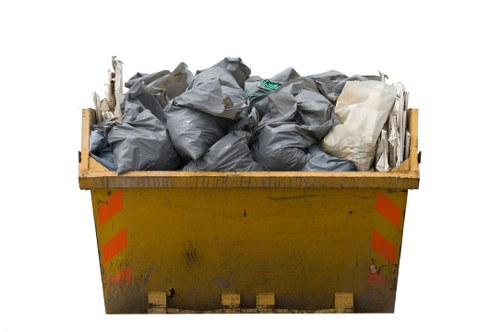 Waste Recycling is at the heart of our local climate action. Our recycling and sustainability program sets a clear, measurable ambition: to achieve a 70% recycling rate by 2030 across the boroughs we serve. That target is supported by improvements to kerbside collections, investment in transfer facilities and coordinated work with community partners to increase reuse and reduce residual waste.
We work with neighbourhood collection schemes and municipal teams to make sure separating materials is easy and effective. Many boroughs operate a four-stream approach: dry recyclables, glass, food and garden waste, and residual waste. This borough-level focus on source separation helps capture higher-value materials, reduce contamination and improve the overall performance of our waste recycling operations.
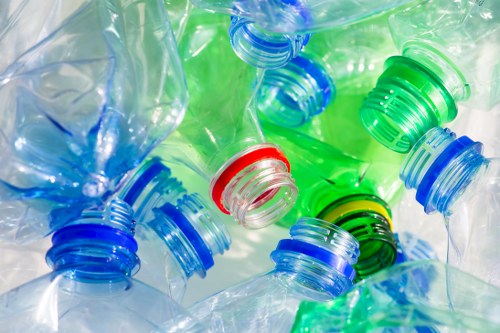 Our long-term sustainability commitment includes measurable milestones and annual progress updates. We are already seeing improvements in capture rates for paper, plastics and food organics thanks to targeted campaigns and better bin labeling. In some areas, communal recycling hubs complement kerbside collections, providing residents with additional convenience while supporting higher recycling yields.
Local Transfer Stations and Material Handling
The network of local transfer stations is critical to efficient waste movement and material recovery. Transfer facilities like Eastside Transfer Station, North Meadow Transfer Station and Riverside Consolidation Hub enable consolidated loadouts, reduced vehicle mileage and more effective sorting at downstream facilities. These facilities are designed to prioritize material quality and rapid onward transport to reprocessing partners.
At each site we use modern sorting protocols and quality controls to minimise contamination and maximise the percentage of material that can be recycled. Transfer stations also act as community drop-off points for certain bulky items and segregated streams, improving the capture of hard-to-recycle goods such as small electricals and textiles.
 Our approach to transfer stations balances operational efficiency with environmental responsibility: managing odour, controlling dust and noise, and integrating onsite energy-saving measures. We track key performance indicators at each facility to ensure they contribute positively to the journey toward our recycling targets.
Partnerships with Charities and Reuse Organisations
Recycling and reuse go hand in hand. We have formal partnerships with local charities and social enterprises that specialise in furniture reuse, textiles collection and electronic refurbishment. These reuse partners divert valuable items from landfill, extend product life cycles and support vulnerable communities through downstream social benefit programs.
Working with charities also helps to expand our community-led recycling activity. Through coordinated drop-off events and scheduled collections, we prioritise reuse where possible and recycling where not. The result is a waste management model that captures both environmental and social value, reducing waste and fostering circular economy principles locally.
Key collaborative activities include:
- Textile take-back schemes with registered reuse charities that sort, repair and resale where viable;
- Furniture reuse networks that collect and redistribute usable items;
- Small WEEE collection drives for repair and component recovery.
To lower emissions from collection and transfer logistics we are steadily deploying a fleet of low-carbon vans and trucks. Our commitment to a greener fleet includes battery electric vans for shorter urban routes and low-emission hybrids for longer hauls. These vehicles reduce local air pollution, noise and lifecycle emissions associated with waste transport.
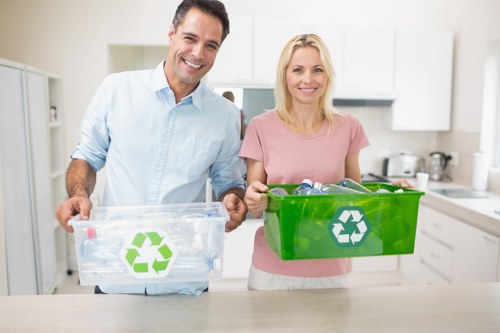 Route optimisation software and load consolidation strategies make the most of each journey, ensuring fewer vehicle miles are needed to move materials to transfer stations and recycling centres. By combining efficient routing with low-emission vehicles we shrink the carbon footprint of the entire recycling chain.
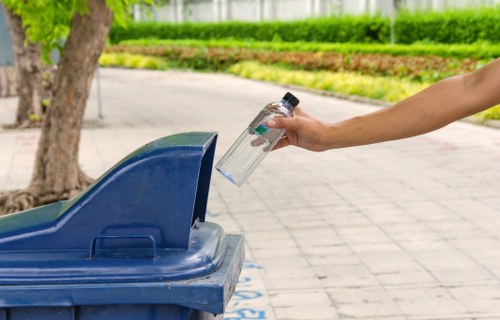 Our sustainability program also promotes material-specific improvements: more rigorous cardboard flattening, separate glass bins to preserve quality, and expanded food waste collections to create biogas and compost feedstock. These targeted measures complement broad-system changes and support steady progress toward the 70% recycling ambition.
We report annually on progress toward our recycling percentage target, publishing clear data on tonnages, capture rates and contamination levels. Transparency helps residents and partners understand where improvements are being made and where community action can have the greatest impact.
Ultimately, successful waste recycling is a shared endeavour: municipal services, transfer stations, charity partners, businesses and households all play a role. By combining infrastructure investment, reuse partnerships and a low-carbon fleet, our recycling services aim to deliver environmental, social and economic benefits for the whole area.
Commitment to continuous improvement: we will continue to pilot new collection schemes, extend partnerships with local charities and expand our electric vehicle fleet so our waste recycling and sustainability efforts remain resilient, efficient and community-focused for years to come.