Accessible Recycling Area and Waste Reuse Statement
Recycling Accessibility Compliance Overview
Accessibility Statement for Waste Recycling Services
 This accessibility statement explains how our waste recycling area and recycling services work toward inclusive access for everyone. We are committed to making both our physical recycling centres and our online recycling waste information as accessible as possible. This statement covers how we approach accessibility, the standards we follow, and how to request reasonable adjustments related to the accessible waste recycling area.
We aim to follow WCAG 2.1 AA compliance standards for all digital materials about waste recycling, and we apply similar principles to on-site accessibility. Our digital content is designed for clear navigation, predictable structure, and compatibility with common assistive technologies so that recycling information is usable by people who rely on screen readers or keyboard navigation.
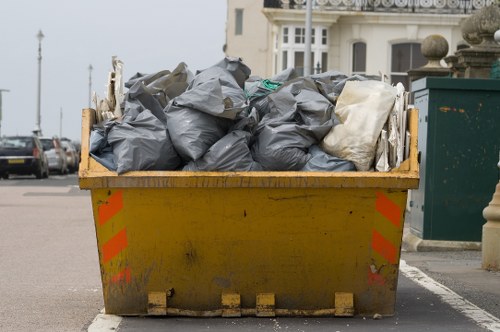
![A large pile of black plastic rubbish bags, tightly sealed and stacked along the edge of a paved roadway, with a curb separating the bags from the asphalt. The bags appear to contain household waste and are situated outdoors on a sunny day. Behind the pile, there is dense greenery consisting of trees and bushes, indicating a suburban or park-like area near [POSTCODE] or [TOWN]. The scene suggests waste collection or disposal, reinforcing the context of rubbish removal services provided by Waste Recycling, which operates in the local area. The overall environment appears clean and well-maintained, with no visible debris scattered around the bags. The sunlight creates shadows on the bags and highlights their glossy, crinkled surface, emphasizing their filled and bulky appearance. The setting reflects an urban or semi-rural environment where waste is temporarily accumulated before collection or further disposal. This image is relevant to regional rubbish management services offered by Waste Recycling in London or surrounding areas, illustrating typical waste storage during rubbish collection.](/pub/_photos/rubbish/f1348730880.jpg) Key digital accessibility commitments include support for screen-reader users, improved keyboard-only navigation, and text that meets contrast guidelines. We use semantic headings, properly ordered lists, and ARIA where appropriate to make recycling drop-off locations, accepted materials, and recycling guidance perceivable and operable. We also strive for robust support across major screen-reader applications for recycling-related content.
Key digital accessibility commitments include support for screen-reader users, improved keyboard-only navigation, and text that meets contrast guidelines. We use semantic headings, properly ordered lists, and ARIA where appropriate to make recycling drop-off locations, accepted materials, and recycling guidance perceivable and operable. We also strive for robust support across major screen-reader applications for recycling-related content.
At our recycling facilities, we implement physical accessibility features that align with accessible waste recycling best practices. These features include clear wayfinding, level or ramped access to deposit areas, and visible signage with large type. We monitor the accessibility of site layouts to ensure that recycling points are reachable and safe for people with mobility needs.
 Digital resources for recycling waste are provided in multiple formats where possible. We publish accessible documents, include descriptive alternative text for images that explain recycled materials and containers, and ensure that interactive maps and booking systems support keyboard navigation. Below are examples of the types of accessibility elements we prioritize:
- Screen-reader support: content structured for reliable reading order and labels for controls.
- Keyboard navigation: all interactive elements reachable and usable without a mouse.
- High contrast and readable fonts: text sizes and contrast tuned for legibility in recycling signage and online pages.
We perform routine testing of our recycling information systems using automated tools and manual testing with assistive technologies. Our approach includes user scenarios for depositing recycling at a depot, locating accepted materials, and completing online forms for special waste collection. Staff who manage the accessible recycling area receive training on inclusive communication and accommodating visitors with diverse needs.
 We are aware that, despite our efforts, there may be accessibility barriers. Known issues are documented, and we prioritize fixes according to impact and feasibility. If you encounter problems with online content about recycling or barriers at a recycling site, please request support through the organisation’s published contact channels and ask for assistance with accessibility or alternative formats.
 To support alternative access, we can provide information in large print, simple language summaries, and guided directions for site visits on request. While we do not publish individual contact details in this statement, requests for accessibility adjustments are reviewed and acted upon promptly. We strive for continuous improvement and welcome input on how our recycling communications and facilities can be more inclusive.
Summary of commitments: We maintain WCAG 2.1 AA principles for digital recycling content, deliver screen-reader support, ensure keyboard navigation across our online tools, and apply inclusive design to physical recycling sites. For accessibility requests related to the recycling area or recycling resources, please use the organisation’s standard contact routes to reach our accessibility team; requests will be handled in a timely and confidential manner.
Last reviewed: This statement is reviewed periodically to reflect improvements in accessible waste management and recycling access. We remain committed to removing barriers and making recycling services usable and welcoming to everyone.