Cookie Policy for Waste Recycling and Recycling Waste Services
 This Cookie Policy explains how we use cookies and similar tracking technologies to support waste recycling, sustainable materials handling, and the promotion of effective Waste Recycling programs. The purpose of this policy is to describe the types of cookies used on our platforms, how they support performance and sustainability reporting, and how users can manage cookie choices. It applies to all interactions related to recycling waste information, waste-recycling communications, and educational content about how to recycle waste properly.
We recognize the importance of privacy while providing tailored experiences for visitors interested in recycling waste solutions. Cookies help deliver basic functionality, measure usage patterns for operational improvement, and enable responsible outreach about recycling initiatives. Essential, analytics, and marketing cookie categories are used only for the stated purposes below.
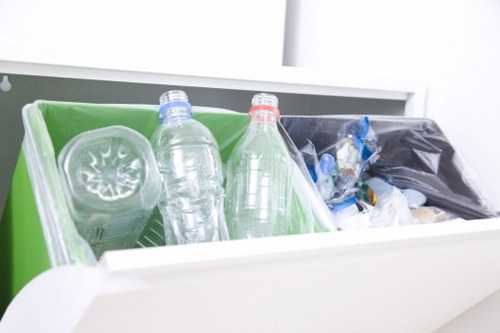
 Cookies make it possible to monitor how materials recovery pages and tools perform over time. Performance monitoring supports reporting on collection rates and educational engagement, enabling continuous improvement of our recycling programs. By tracking aggregate usage (never personally identifying individuals), analytics cookies help identify pages that explain how to recycle waste most effectively and reveal opportunities to reduce contamination in recycling streams.
Types of Cookies Used in Waste Recycling Services
![A person dressed in a black suit with only their arms visible, positioned behind a metal mesh waste bin filled with crumpled white paper, placed on a wooden table against a plain gray background. The bin appears to be used for paper waste collection, with the crumpled paper overflowing slightly at the top. The scene is clean and minimal, with the focus on the waste bin and paper, aligning with professional rubbish removal and waste management services, potentially serving London areas such as [POSTCODE] or [TOWN].](/pub/_photos/rubbish/f3388260352.jpg) We use a clear taxonomy of cookie types to support transparency for anyone seeking information about waste recycling or the life-cycle of recyclable materials. The main cookie types include:
We use a clear taxonomy of cookie types to support transparency for anyone seeking information about waste recycling or the life-cycle of recyclable materials. The main cookie types include:
- Essential cookies — Necessary for basic site functions such as navigation and secure access to resources about waste-recycling facilities. These enable core services and cannot be switched off without affecting functionality.
- Analytics cookies — Used to gather anonymized data that helps evaluate page load times, content usefulness, and the performance of tools that show where to recycle waste. Analytics help measure the effectiveness of environmental campaigns and optimize content.
- Marketing cookies — Employed to present relevant outreach about recycling initiatives and community programs. These help match promotional materials with general interests in recycling waste while respecting privacy preferences.
We do not combine analytics data with personally identifiable information. Data collected is aggregated and used to improve overall services related to waste recycling and educational outreach.
Performance monitoring is a primary aim of analytics cookies: tracking page response times, user flows through recycling guides, and the uptake of digital resources that encourage correct disposal and reuse.
User Control and Cookie Preferences for Recycling Initiatives
 Users have control over cookie settings and can choose which categories they allow. You can accept all cookies for the best experience, permit only essential cookies to maintain functionality, or opt out of analytics and marketing cookies while still accessing public information on how to recycle waste. Preferences are stored locally so your choices persist across visits.
To manage cookie preferences you may use browser settings or built-in controls where available. Note: blocking essential cookies may limit access to interactive tools such as waste collection schedulers or material sorting guides. Analytics opt-out preserves privacy while reducing personalized performance insights.
In summary, this cookie policy supports transparent and responsible use of cookies for waste recycling, recycling waste education, and the continuous performance monitoring of our digital services. By balancing essential functionality with privacy-preserving analytics and optional marketing, we aim to enable better environmental outcomes and more effective recycling behavior.