Complaints Procedure for Waste Recycling Services
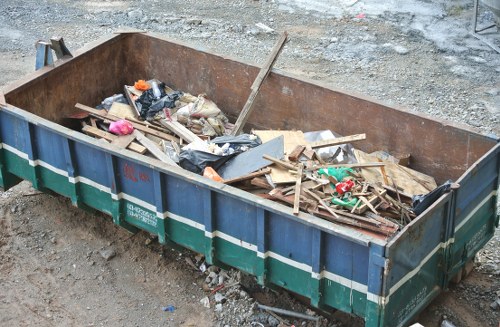 Purpose and scope: This complaints procedure outlines how concerns about waste recycling, recycling collection, and reclaimed materials handling are managed. It is intended to be clear and accessible to anyone who wishes to raise an issue about recycling operations, from missed collections of recyclable waste to concerns about sorting, contamination, or treatment of recovered materials. The aim is to ensure that every complaint is received, recorded, investigated, and resolved in a timely and transparent manner while maintaining fairness for all parties.
Principles that guide our approach
We are committed to a process that is fair, transparent, and focused on continuous improvement. Complaints will be handled without prejudice and in a way that respects privacy. Each concern is treated as an opportunity to improve recycling services and waste management practices. Confidentiality is maintained where appropriate, and complainants are kept informed of progress in a straightforward way without introducing technical jargon. Who can raise an issue? Any resident, community group, business customer, or stakeholder engaged with recycling activities may submit a complaint about waste recycling processes, recycling collection services, or the condition and handling of recycled materials. Complaints can relate to operational standards, customer service interactions, route efficiency, contamination policies, or perceived failures in recycling arrangements. The procedure ensures equal access for all individuals, including consideration for accessibility needs.
How to lodge a formal complaint
To start a formal complaint, provide a concise description of the issue including the date, location, and any relevant details such as images, bin numbers, or vehicle identifiers when available. Include the preferred outcome or resolution you are seeking. That information helps to focus the investigation and aids quicker resolution. Complaints may be submitted in writing and are recorded into the complaints handling system to ensure traceability throughout the process.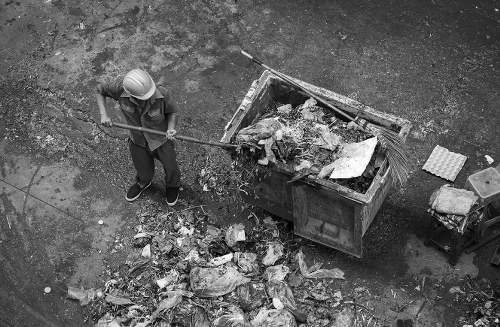 What happens after submission: Upon receipt, complaints are acknowledged and categorized according to severity and type—examples include missed recycling collections, contamination incidents, contamination education needs, or concerns about recycling center operations. Each complaint is assigned to an appropriate officer or team for investigation. A clear timeline for action is provided where possible, and reasonable steps are taken to gather evidence, interview staff, review CCTV or route logs, and analyze any material samples if needed.
Investigations aim to be thorough while avoiding unnecessary delay. Where immediate action is required to prevent recurrence or to protect public health, interim measures are implemented promptly. Findings are documented and a decision is reached regarding corrective actions. Outcomes can include operational corrections, staff retraining, route adjustments, policy clarifications, or recommendations for process improvement in the recycling chain.
To help set expectations, typical stages in the complaints journey include:
- Receipt and triage — initial logging and assessment of priority;
- Investigation — collection of facts and evidence;
- Decision and action — determination of outcomes and implementation of remedies;
- Communication — notification of the complainant about conclusions and any steps taken.
 Escalation and review: If a complainant is not satisfied with the response, the complaint may be escalated for independent review within the organization. Escalation triggers a secondary review of the original investigation and its conclusions, ensuring that procedural steps were followed and that the response was proportionate to the complaint. Reviews focus on whether appropriate evidence was considered and whether corrective measures were adequate and implemented fully.
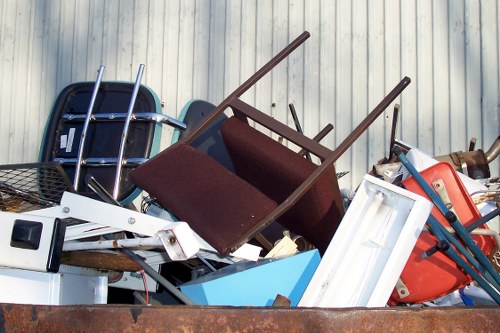 Recording, learning, and transparency: All complaints are logged for analysis and reporting so that recurring themes can be identified and addressed. Trends in recycling complaints—such as consistent contamination types or frequent service disruptions—inform training, policy updates, and operational changes. Summaries of learning outcomes may be published in general performance reports to demonstrate commitment to improving recycling services and to build trust with the community.
Timelines and expected responses
We aim to acknowledge complaints promptly and provide an estimated timeframe for full investigation. While complex cases may take longer due to evidence gathering, most routine matters are resolved within a reasonable period so that complainants receive timely feedback. Where delays occur, interim updates explain the reasons and outline next steps.Remedies and outcomes
Possible remedies for substantiated complaints include operational fixes, remedial collections, clearer public information on recycling requirements, changes to sorting procedures, or staff retraining. In all cases, the objective is to restore the standard of service and prevent recurrence. Outcomes are recorded and used to reinforce continuous improvement across the waste recycling system.Finally, this complaints procedure for recycling services ensures that concerns are treated seriously, investigated thoroughly, and used constructively to improve service delivery. By following clearly defined steps and emphasizing respectful, evidence-based resolution, the system supports better recycling performance, reduced contamination, and stronger confidence in recycling programs.