Pricing & Quotes for Waste Recycling Services
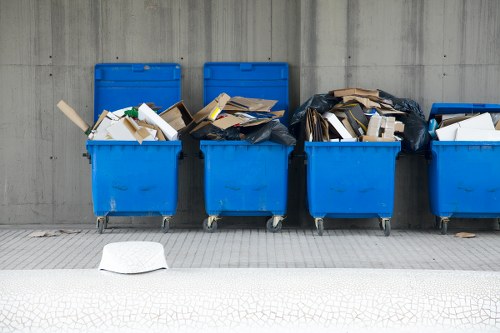 Transparent pricing is the foundation of how we deliver waste recycling solutions to homes, businesses, and busy public locations. This page explains our approach to rates, the difference between load-based and cubic-yard pricing, and real-world example jobs tied to familiar property styles like apartment blocks, suburban homes, and retail corridors.
How our transparent pricing model works
We believe customers deserve clear, predictable costs. Our pricing model avoids hidden fees and shows what you're paying for: the volume or load handled, the type of materials recycled, and any special handling required. Transparency means we list out each component of the charge so you can compare options and make informed decisions.
 What you see on your quote: an itemized breakdown of cubic yards or load sizes, per-unit rates, any sorting or contamination surcharges, and applicable recycling credits when materials qualify. Every quote includes an explanation of the calculation in plain language.
Load-based vs. cubic-yard rates
There are two common ways to price recycling pickup and disposal: load-based rates (charged per truckload or trip) and cubic-yard rates (charged per volume). We offer both so you can choose the method that best fits your project.
Load-based pricing
Load-based pricing is ideal for large, bulky clear-outs where the overall haul matters more than precise volume. Typical uses include debris removal from a commercial renovation on a busy downtown block or clearing out a large storage facility near the transit hub.
 Load examples:
- Single truckload: suitable for apartment complex cleanouts after a tenant move-out.
- Multiple truckloads: used for demolition waste from small retail strip projects.
- Flat-rate haul: convenient for events waste generated from festivals near busy squares.
Cubic-yard pricing
Cubic-yard rates provide precision and are excellent for residential landscaping waste, garage cleanups, and small construction jobs at suburban houses or townhouse communities. You pay for the actual space your recycled materials occupy in the container, which is fair for projects where volume is easy to estimate.
This method includes clear thresholds (for example, 1–3 cubic yards, 4–6 cubic yards, etc.). Our quotes specify the container size options and the per-cubic-yard rate so you can match container choice to the job.
We always list typical container dimensions and give sample volume-to-job mappings so you can quickly find the right fit for your property style—be it a compact city condo or a wide-front suburban home.
Example jobs and typical properties
To make pricing more relatable, here are concrete examples using variations of waste recycling and recycling services terminology that reflect common local scenarios.
Example 1: Suburban landscape refresh (residential single-family home) — A homeowner replaces lawn with native plantings and needs mulch and green waste recycled. This usually fits a 3–5 cubic-yard roll-off; cubic-yard pricing will be most economical.
 Example 2: Multi-unit apartment clearout (mid-rise apartment building) — After several resident moves, accumulated cardboard, mixed recyclables, and light furniture require a load-based pick-up. A single truckload or a scheduled series of waste recycling loads is common in busy apartment corridors.
Example 3: Small retail remodel (strip mall near a high-traffic avenue) — Demolition debris and separated recyclable materials (metal, clean wood, concrete) are best managed with a combination of roll-off containers priced by cubic yards for each material stream and load-based haul for bulky items.
Example 4: Community event cleanup (downtown plaza) — Large volumes of recyclable packaging and aggregated food waste after a weekend market are often handled with scheduled recycling pickup services billed per load to keep event operations running smoothly.
 Example 5: Contractor pickup for townhouse renovation — Contractors often prefer cubic-yard pricing for predictable small to medium volumes; this lets them allocate costs per unit on renovation projects across multiple properties.
What’s included in every quote
Every estimate we provide lists:
- Rate type (load-based or per cubic yard)
- Material handling breakdown (recyclables vs. non-recyclables)
- Any potential surcharges (contamination, hard-to-access locations)
- Estimated removal timeline and scheduling options
Recycling credits and offsets
When materials qualify for recycling credits (for example, sorted metals or high-grade cardboard), those credits are clearly applied on the quote so you see the net cost. This is part of our commitment to an honest, transparent waste-recycling pricing approach.
Free quote policy: We offer complimentary, no-obligation quotes for all prospective jobs. A free quote includes an itemized estimate, recommended pricing method, and suggested container sizes or load plans. We encourage on-site photos or basic descriptions—property type, access constraints, and expected materials—to make the quote as accurate as possible.
Choose the option that fits your project: a single, flat load, a per-cubic-yard container, or a hybrid solution for mixed materials. Our goal is to make recycling services pricing intuitive, competitive, and tailored to common property types—suburban yards, urban apartments, retail strips, and event venues.
All quotes remain valid for the period specified and contain clear instructions on what triggers additional charges, such as unexpected hazardous waste or excessive contamination. We prioritize clarity so there are no surprises when the job is complete.
Requesting a free, transparent quote is the first step toward responsible waste management and cost-effective recycling. Whether you need load-based hauling for a busy downtown renovation or cubic-yard pricing for residential cleanouts, our quotes are designed to help you plan with confidence.