Secure Waste Recycling Payments Area
 Welcome to the secure payments section dedicated to Waste Recycling transactions. This secure waste recycling payments area explains how we process payments, protect cardholder data, and maintain a reliable payment environment. Our focus is on providing a seamless, protected checkout experience for recycling payments and waste recycling payment processing that you can trust.
We accept a variety of payment options to suit every customer: Visa, Mastercard, PayPal, and bank transfer. Each payment method is integrated with industry-leading gateways to ensure fast authorization and safe settlement. Whether you choose card payments or bank transfers, your transaction is routed through secure channels and modern fraud prevention systems.
 Our systems use robust SSL encryption (TLS) to protect data in transit. Card numbers, account details and personal data are encrypted between your browser and payment processors so that sensitive information cannot be intercepted. We also use tokenization so that raw card data is never stored on our servers, which significantly lowers exposure to theft and misuse.
Accepted Methods & Secure Processing
Accepted payment methods are chosen for convenience and reliability. Cards are processed using secure payment gateways with 3-D Secure where available, and PayPal transactions benefit from PayPal's own robust protection mechanisms. Bank transfers are cleared through secure banking rails and handled with strict confirmation checks to prevent errors.
 How the payment flow works: authorization, tokenization, settlement and reconciliation. Card and PayPal authorizations confirm funds, tokenization replaces card details with secure tokens, and settlement moves funds to the recipient account. All steps are logged and monitored by automated systems to detect anomalies and block suspicious activity in real time.
For clarity, here are the main supported payment options:
- Visa: global card acceptance with EMV and 3-D Secure support
- Mastercard: secure card processing and PCI-aligned gateway services
- PayPal: account-based payments with buyer protection and encrypted tokens
- Bank transfer: electronic funds transfer with verification and reconciliation
PCI Compliance, Encryption & Monitoring
We adhere to PCI DSS requirements to ensure card data is handled according to global standards. Regular security assessments, vulnerability scans and penetration tests are performed to validate our compliance posture. Data is encrypted both in transit and at rest, and access controls limit who can view payment-related logs and records.
 Fraud prevention is integral to our payment security. We use CVV checks, AVS (address verification), device fingerprinting and behavioral analytics to detect unusual patterns. If a transaction appears high risk, automated rules or manual review processes are triggered to protect both payer and payee.
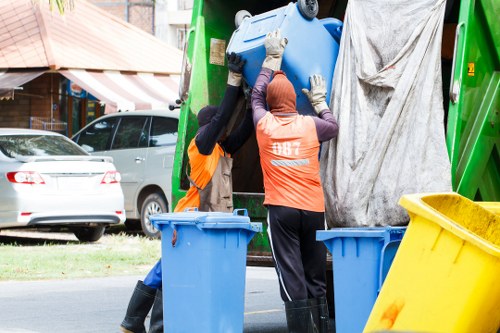 In summary, the waste recycling payments area is built on layered defenses: SSL/TLS encryption, PCI-compliant processing, tokenization, secure gateways and active monitoring. Privacy and data minimization are prioritized so only essential payment data is collected and retained. For anyone making recycling payments or engaging in waste recycling transactions, these measures provide a secure, trustworthy payment environment.