Bulk Waste Collection in Waste Recycling

Understanding Bulk Waste Collection

A professional waste management worker wearing an orange high-visibility jacket with reflective grey and orange stripes and a white cap stands outdoors on a driveway or parking area, with arms crossed and a neutral expression. Behind him, a large grey refuse collection truck is positioned with its rear loading compartment open, showing the internal bin and waste collection area. A second worker, dressed similarly in high-visibility clothing, is seen at the back of the truck, handling a large black rubbish bin. The scene is set amidst greenery, suggesting a suburban or residential environment, with trees and bushes visible in the background. The lighting appears natural, indicating daytime, and the environment is clean and orderly, consistent with professional waste collection services in the London area. The image relates to rubbish collection services provided by Waste Recycling, highlighting heavy-duty waste disposal operations typical for bulk waste removal in towns across London and surrounding postcodes.

Bulk waste collection refers to the systematic process of gathering large, non-residential waste items from homes, businesses, and industrial sites. Unlike regular trash pickup, bulk waste typically includes items such as old furniture, appliances, construction debris, and other sizable materials that cannot be handled through regular waste streams.

Effective bulk waste collection plays a crucial role in the broader context of waste recycling. By segregating bulk waste from daily refuse, recycling facilities can more efficiently process and recycle materials, ultimately contributing to environmental sustainability and the reduction of landfill usage.

The key components of a successful bulk waste collection system include proper scheduling, route optimization, community engagement, and the collaboration of municipal authorities with recycling service providers. These elements work together to ensure that bulk waste is collected promptly, safely, and in an environmentally responsible manner.

Types of Bulk Waste

There are various types of bulk waste that require specialized collection methods:

  • Construction Debris: Materials such as bricks, concrete, wood, and metal resulting from building projects.
  • Old Furniture: Items like sofas, tables, beds, and chairs that are no longer in use.
  • Appliances: Large electrical and mechanical devices including refrigerators, washing machines, and air conditioners.
  • Industrial Waste: By-products and disposables generated by manufacturing processes.
  • Electronic Waste: Discarded electronic devices such as computers, televisions, and smartphones.

Each type of bulk waste presents unique challenges in terms of handling, transportation, and recycling, necessitating tailored approaches to ensure effective management.

The Process of Bulk Waste Collection
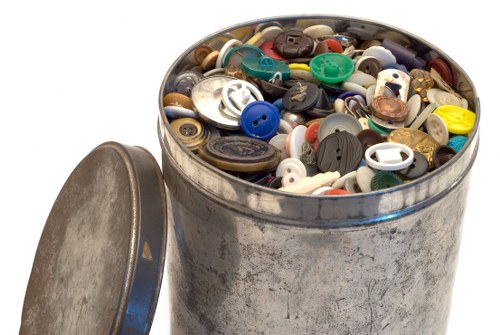
A close-up view of a cylindrical metal rubbish bin filled with an assortment of plastic buttons, showing various sizes, shapes, and colours such as blue, black, white, beige, yellow, and brown. The bin is situated outdoors on a paved surface, with its round, slightly weathered metal lid leaning against its side. The background is plain white, highlighting the contents of the bin, which include both flat and raised buttons with different textures and finishes, some with visible holes or shanks for sewing, reflecting common waste items encountered in household rubbish collection in London areas. The lighting appears natural, emphasizing the variety of materials and the metallic finish of the bin, consistent with waste collection activities like those of Waste Recycling in London for domestic e-waste or miscellaneous rubbish removal.

The bulk waste collection process involves several critical steps to ensure efficiency and sustainability. Initially, waste collection services coordinate with residents and businesses to schedule pickups, often through online platforms or dedicated helplines.

Route optimization is essential to minimize fuel consumption and reduce the carbon footprint associated with transportation. Advanced software tools are commonly used to plan the most efficient routes, taking into account factors such as traffic patterns, collection frequency, and vehicle capacity.

Once collected, bulk waste is transported to recycling facilities where it undergoes sorting and processing. Materials are separated based on their type and recyclability, facilitating the conversion of waste into reusable resources and reducing the overall environmental impact.

Efficient Waste Collection Strategies

  • Route Optimization: Utilizing technology to design the most efficient collection paths.
  • Public Awareness Programs: Educating the community about the importance and methods of bulk waste recycling.
  • Partnerships with Local Businesses: Collaborating with companies to manage industrial bulk waste.
  • Flexible Scheduling: Offering various pickup times to accommodate users' needs.
  • Incentive Programs: Encouraging participation through rewards or discounts.

Implementing these strategies can significantly enhance the effectiveness of bulk waste collection services, leading to increased recycling rates and better resource management.

Benefits of Bulk Waste Collection in Recycling
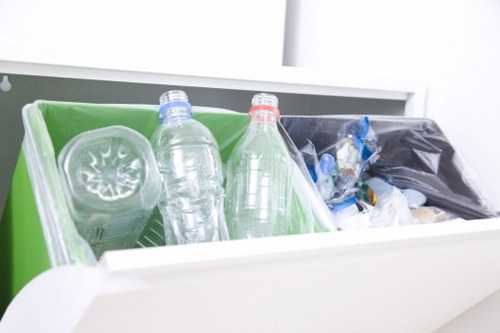
The image shows an open, white plastic drawer or container with three visible sections, each holding different types of waste. The foreground features two transparent plastic bottles, one with a blue cap and the other with a red cap, placed in the left section. The middle section contains a clear plastic container with a ribbed surface, and the right section is filled with crumpled plastic packaging, including a black plastic bag and various plastic wrappers. The scene appears to be part of a waste or rubbish storage area, possibly within a domestic or commercial setting, with clean, well-organized compartments designed for separating recyclable materials. The background is blurred but suggests a bright, indoor environment, possibly near a kitchen or utility room relevant to waste disposal or collection services in a London or wider UK context, as referenced on the webpage about bulk waste collection by Waste Recycling.

Bulk waste collection offers numerous environmental benefits by reducing the amount of waste sent to landfills. By diverting materials like wood, metal, and electronics from disposal, recycling facilities can recover valuable resources, conserving natural materials and minimizing the need for virgin production.

Economically, bulk waste collection creates job opportunities in the recycling and waste management sectors. Additionally, the recovery of materials can lead to cost savings for businesses and municipalities by lowering disposal fees and generating revenue through the sale of recycled commodities.

Communities also benefit from bulk waste collection services by maintaining cleaner and healthier environments. Effective waste management contributes to reduced pollution, enhanced public health, and improved overall quality of life for residents.

Challenges in Bulk Waste Collection

  • Transportation Costs: Managing the logistics of moving large volumes of waste can be expensive.
  • Regulatory Hurdles: Navigating local and national regulations governing waste collection and recycling.
  • Contamination Issues: Ensuring that bulk waste is properly sorted to prevent contamination of recyclable materials.
  • Public Participation: Encouraging community members to engage in bulk waste recycling programs.
  • Limited Infrastructure: Access to adequate facilities for processing and recycling bulk waste.

Addressing these challenges requires comprehensive planning, investment in infrastructure, and ongoing community outreach to promote sustainable waste management practices.

Innovations in Waste Recycling
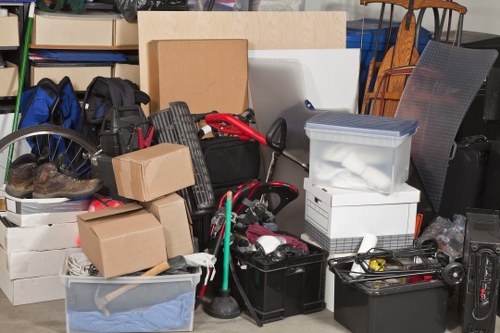
A collection of various household items and waste materials piled together in a confined indoor space, possibly a garage or storage area. Visible objects include several cardboard boxes, some taped or closed, stacked on top of each other, alongside plastic storage containers with transparent and opaque lids. There is a grey cushion or fabric piece partially tucked into a plastic container at the front left. A red and black bicycle leans against the pile, with its handlebars and front wheel partly visible. Nearby, a black toolbox or storage bin holds assorted tools and small items, with a green-handled item draped over the edge. Several black backpacks and bags are intermingled within the heap. In the background, a wooden chair with armrests and a metal chair with mesh backing are positioned along a wall, suggesting this is a storage or cluttered workspace, potentially in a London safe space for rubbish disposal or bulk waste collection. The scene appears well-lit, indicating daylight or strong indoor lighting, emphasizing the varied textures of card, plastic, fabric, and metal materials used in the objects present.

Technology is driving significant advancements in bulk waste collection and recycling. Automated sorting systems utilize sensors and artificial intelligence to efficiently separate materials, increasing the speed and accuracy of the recycling process.

Smart waste management systems integrate Internet of Things (IoT) devices to monitor waste levels in containers, enabling real-time tracking and more efficient scheduling of collection routes. These innovations contribute to reduced operational costs and enhanced service reliability.

Sustainable practices, such as the circular economy model, emphasize the reuse and repurposing of materials, further enhancing the effectiveness of bulk waste recycling. By designing products with their end-of-life recycling in mind, industries can facilitate easier and more efficient bulk waste collection and processing.

Future of Bulk Waste Collection

The future of bulk waste collection is poised to be shaped by continued technological innovations and evolving policy frameworks. Artificial intelligence and machine learning are expected to play pivotal roles in optimizing collection processes and predicting waste generation patterns.

Global initiatives aimed at enhancing sustainability and reducing environmental impact are likely to drive the adoption of more rigorous bulk waste collection and recycling standards. Governments and organizations are increasingly prioritizing waste reduction and resource conservation, leading to stricter regulations and greater investment in recycling infrastructure.

As awareness of environmental issues grows, there is significant potential for growth and improvement in bulk waste collection services. Embracing new technologies and adopting best practices can lead to more efficient, cost-effective, and environmentally friendly waste management solutions.

How to Improve Bulk Waste Collection Services
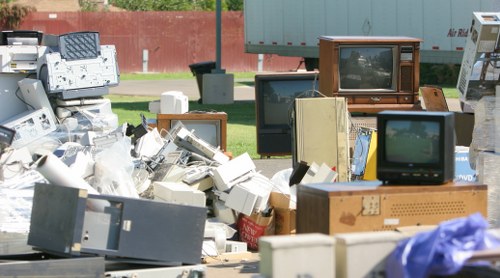
A large pile of discarded electronic waste and obsolete appliances situated outdoors, with an assortment of old televisions, computer monitors, and other electronic devices, some with visible screens and varied casing styles, including wood-textured and plastic finishes. The equipment is stacked and scattered on a paved surface, with a background of a red brick wall, a metal fence, and a grassy area, indicating a waste collection or disposal site in a suburban or town setting. The electronic items display different condition levels, some appearing dusty or slightly damaged, with a mix of colours such as black, beige, grey, and brown. The scene is captured in natural daylight, highlighting the diverse array of electronic waste awaiting collection or recycling, aligning with the waste management services provided by Waste Recycling for bulk e-waste removals in local areas. The overall composition emphasizes the clutter of outdated devices, illustrating the environmental importance of responsible disposal and recycling through professional rubbish removal solutions.

Improving bulk waste collection services involves several key strategies:

  • Implementing Advanced Technologies: Leveraging AI and IoT for better route planning and waste monitoring.
  • Enhancing Community Engagement: Running educational campaigns to increase public participation.
  • Investing in Infrastructure: Developing more recycling facilities and upgrading existing ones.
  • Streamlining Regulations: Simplifying compliance processes to encourage businesses to participate in bulk waste recycling.
  • Offering Incentives: Providing benefits to individuals and organizations that actively engage in bulk waste recycling.

By adopting these measures, waste management services can become more efficient and effective, leading to higher recycling rates and a more sustainable environment.

Conclusion

Bulk waste collection is a vital component of effective waste recycling systems, offering substantial environmental, economic, and social benefits. By addressing the challenges and embracing innovative solutions, communities can enhance their waste management practices, reduce landfill dependency, and promote a healthier planet.

Contact us today to learn more about our bulk waste collection services and how we can help you contribute to a more sustainable future.

Frequently Asked Questions

We utilize state-of-the-art trucks and specialized machinery to efficiently handle all types of bulk waste. Our team is trained in the latest collection techniques to ensure safety and effectiveness. Contact our team for a quick quote and experience top-notch service.

Yes, we are accredited by leading industry bodies, ensuring our services meet the highest standards. Our certifications reflect our commitment to quality and reliability. Reach out to us today to learn more about our accredited services.

Absolutely. We hold all required certifications and comprehensive insurance to guarantee legal compliance and protect our clients. Your peace of mind is our priority. Contact us to verify our credentials and schedule your collection.

We prioritize environmental responsibility by recycling up to 80% of the waste we collect. Our sustainable practices minimize landfill use and promote resource reuse. Join us in making a positive impact by choosing our eco-friendly bulk waste collection services.

With over 15 years of experience, we have built a proven track record in bulk waste collection. Our expertise ensures reliable and efficient service for both residential and commercial clients. Get in touch with our seasoned team for your waste management needs.

Yes, we offer safe and competitively priced bulk waste collection tailored to both businesses and homeowners. Our affordable packages ensure you receive high-quality service without breaking the bank. Contact us today to find a plan that fits your budget.

We pride ourselves on complete transparency in both pricing and our collection processes. There are no hidden fees, and we provide clear estimates upfront. Experience honest and straightforward service by reaching out to our team for a detailed quote.

We serve multiple areas with a reputation for reliability and trustworthiness. By searching for our licensed services, you can connect with a local team that prioritizes customer satisfaction. Contact us to confirm availability in your area.

Our commitment to sustainability ensures that up to 80% of the bulk waste we collect is recycled. This high recycling rate helps reduce environmental impact and supports a greener future. Choose our services to contribute to effective waste management.

We adhere to strict ethical standards, including proper waste handling, transparent operations, and responsible recycling. Our dedicated team ensures that all collections are performed with integrity and respect for the environment. Partner with us for ethical waste management solutions.

Our company holds all necessary licenses and permits required for bulk waste collection, ensuring full compliance with local and national regulations. These credentials demonstrate our legitimacy and commitment to lawful operations. Contact us to verify our licensing and schedule your service.

Getting an affordable quote is easy! Simply reach out to our team with your specific waste collection needs, and we'll provide a customized and competitive estimate. Don't hesitate to contact us today for a quick and free quote tailored to your requirements.
Waste Recycling

Bulk waste collection is essential in waste recycling, offering environmental, economic, and social benefits. Learn about the processes, challenges, and innovations that make bulk waste management effective and sustainable.

Call Now!
Get a Quote

Get In Touch With Us.

Please fill out the form below to send us an email and we will get back to you as soon as possible.