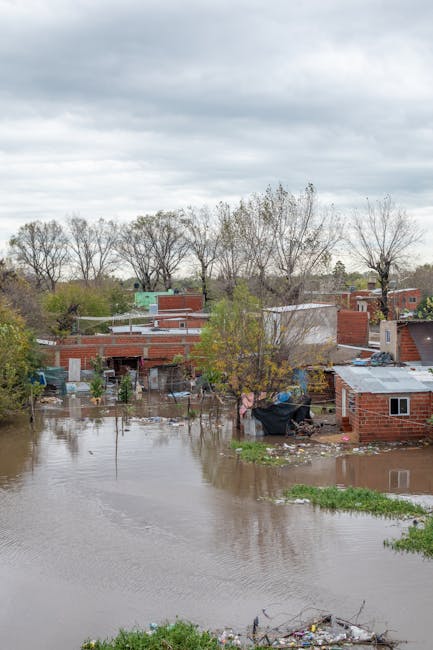
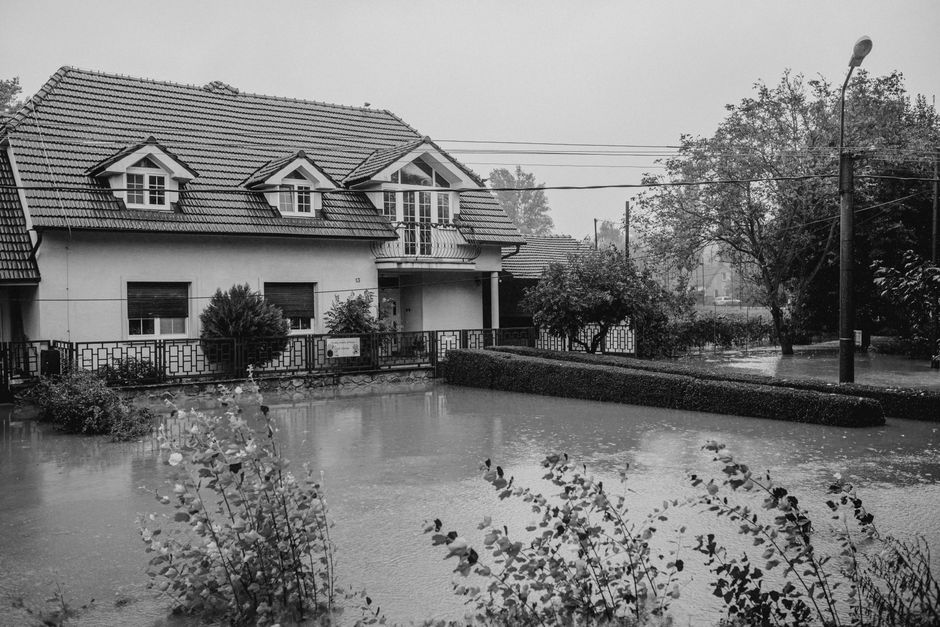
Flood-Damaged Flat Clearance in Southwark: Job Outcome
When a flat has been hit by flooding, the mess is only part of the problem. You are often dealing with soaked furniture, damaged flooring, ruined boxes, a lingering damp smell, and that slightly overwhelming feeling of, "Where do I even start?" Flood-Damaged Flat Clearance in Southwark: Job Outcome is about more than removing waste. It is about restoring order safely, quickly, and with enough care to avoid making a bad situation worse.
This guide explains how flood-damaged flat clearance works in Southwark, what a good job outcome looks like, who needs it, and how to plan the work properly. If you are sorting a private flat after water ingress, a burst pipe, or a heavy rain incident, you will find practical steps here - not vague advice. Let's face it, when a room is already damp and half the contents are ruined, clarity is worth a lot.
Table of Contents
- Why Flood-Damaged Flat Clearance in Southwark: Job Outcome Matters
- How Flood-Damaged Flat Clearance in Southwark: Job Outcome Works
- Key Benefits and Practical Advantages
- Who This Is For and When It Makes Sense
- Step-by-Step Guidance
- Expert Tips for Better Results
- Common Mistakes to Avoid
- Tools, Resources and Recommendations
- Law, Compliance, Standards, or Best Practice
- Options, Methods, or Comparison Table
- Case Study or Real-World Example
- Practical Checklist
- Conclusion
- Frequently Asked Questions
Why Flood-Damaged Flat Clearance in Southwark: Job Outcome Matters
A flood-damaged flat is not just another clearance job. Water changes the rules. Wet plasterboard can crumble, carpets can hold moisture for days, and soft furnishings may carry mould or contaminated water. In a compact Southwark flat, the damage can spread quickly because storage is often tight and rooms are close together. One soggy sofa, one damaged mattress, one stack of soaked paperwork - and the whole place can feel unmanageable.
The job outcome matters because it affects three things at once: safety, speed, and recovery. A good clearance outcome leaves the property safer to inspect, easier to dry, and ready for the next decision, whether that is cleaning, repair, insurance assessment, or a full move-out. A poor outcome leaves hidden damp behind cupboards, debris in hallways, and a second round of headaches you really do not need.
There is also a human side to this. Flood damage can be stressful and oddly draining. People often delay sorting it because they are waiting for the "right moment". Truth be told, the right moment usually arrives after the wet items start smelling worse. Acting early is kinder to the flat and to your own headspace.
Expert summary: A strong flood-clearance outcome is not simply "everything removed". It is safe sorting, sensible disposal, careful access, and a flat left in a condition where drying and repairs can move forward without extra setbacks.
How Flood-Damaged Flat Clearance in Southwark: Job Outcome Works
Flood-damaged clearance normally begins with assessment. That means looking at what has been affected, what is salvageable, what is too contaminated to keep, and how to move items out without spreading mud, mildew, or water onto clean areas. In a flat, the route matters a lot. Narrow halls, lifts, communal stairwells, and shared entrances all affect the plan.
The process usually follows a practical order:
- Initial review - identify the items affected, access points, and any immediate hazards.
- Sorting - separate waste, recyclable items, salvageable belongings, and anything needing specialist handling.
- Protection - use floor protection or careful lifting methods where needed to avoid further damage.
- Removal - move flood-damaged furniture, bags, boxes, carpets, or white goods out of the flat.
- Transport and disposal - take waste to the appropriate transfer or recycling route, depending on the material.
- Final sweep - leave the flat clear enough for drying, sanitising, or follow-on work.
In practice, the job outcome is judged by what is left behind. If the flat is safe to enter, the smell has been reduced, major waste has gone, and the space can be aired properly, that is a solid result. If the team has to keep returning because hidden items were missed or access was not planned, the job outcome is weaker. Simple enough, but it makes all the difference.
A well-run clearance also respects building rules. Southwark flats often sit in shared blocks where noise, lift use, parking, and hallway access need a bit of coordination. Good planning avoids grumbles from neighbours and keeps the job moving without drama. Small detail, yes. But in a real building, those small details matter.
Key Benefits and Practical Advantages
Flood-damaged flat clearance brings advantages that go beyond tidiness. Here is what people usually notice first:
- Faster recovery - the flat becomes easier to dry, inspect, and repair.
- Lower health risk - damp, mouldy, or contaminated items are removed sooner.
- Less stress - you are not working around broken furniture and waterlogged clutter.
- Better use of space - halls, kitchens, and bedrooms are easier to access.
- Clearer decision-making - you can see what can be saved and what cannot.
- Cleaner follow-up work - decorators, surveyors, or restoration teams can do their job properly.
There is another practical benefit people sometimes miss: speed improves judgment. Once the visibly damaged items are out, you can see the real extent of the problem. That often prevents "temporary" piles from becoming long-term clutter. We have all seen that one chair everyone means to deal with later. Flood damage has a way of turning "later" into never.
For landlords, managing agents, and property owners, the right clearance outcome can also reduce delays between assessment, repair, and reoccupation. That can matter a lot in a Southwark building where multiple parties are involved and everyone wants the job finished, yesterday ideally.
Who This Is For and When It Makes Sense
This kind of clearance is suitable for a wide range of situations. It makes sense if your flat has suffered from:
- burst pipes or internal leaks
- seepage after heavy rainfall
- flooding from a neighbouring property
- overflow from bathrooms, kitchens, or utility spaces
- water damage after a firefighting event or appliance failure
- longstanding damp where items have become unusable
It is especially helpful if the flat contains bulky items like sofas, wardrobes, mattresses, or white goods that are no longer fit to keep. If there are shared corridors or limited parking, you also benefit from a team that understands local access constraints and can work cleanly and efficiently.
To be fair, not every flood-damaged flat needs a complete clearance. Sometimes only a few rooms are badly affected. Sometimes the job is mostly about removing one or two heavy pieces and sorting the rest into recyclable and non-recyclable waste. The right approach depends on the scale of damage, the condition of the contents, and whether the property needs to be dried out quickly.
If the damage includes mixed waste - for example, soaked furniture, broken packaging, damaged electronics, and contaminated soft items - a broader service such as property clearance can be more appropriate than a simple one-off rubbish collection.
Step-by-Step Guidance
If you are trying to organise the job yourself, or just want to understand what a proper clearance should look like, this step-by-step breakdown is useful. It is not glamorous, but it works.
- Check for immediate hazards
Before lifting anything, look for standing water, exposed electrics, unstable furniture, or slippery flooring. If there is any risk of electrical danger, the flat should be treated cautiously. - Separate salvageable items from waste
Keep anything dry, clean, and structurally sound apart from damaged items. Books, paperwork, and textiles may need individual decisions, not a rushed bin bag approach. - Remove the worst-affected bulky items first
Waterlogged sofas, beds, wardrobes, and mattresses tend to hold moisture and odour. Clearing them early opens up the room and helps with drying. - Bag up loose debris and small damaged contents
Broken packaging, soaked personal items, and scattered rubbish should be contained neatly. This is where the job starts to feel manageable again. - Plan the exit route
In flats, moving large items through a stairwell or lift can be awkward. Measure the route if needed. One badly planned removal can scratch walls, doors, or floors. - Dispose of materials responsibly
Different waste streams may need different handling. Furniture, electricals, and general waste are not always treated the same way. - Do a final check of hidden areas
Look behind doors, under beds, in cupboards, and near skirting boards. Flood jobs love to hide small surprises.
A sensible job outcome is not only about removing the obvious mess. It is also about avoiding the "we missed that corner" problem. That tiny forgotten patch behind the fridge? It can keep the damp smell alive for days. Annoying, but very common.
A quick decision point
If the property still smells strongly of damp after visible waste is removed, the issue may be deeper than clearance alone. That is the moment to pause and consider drying, inspection, or remedial work before bringing anything back in.
Expert Tips for Better Results
The difference between an average outcome and a good one usually comes down to planning and restraint. Here are the things that genuinely help.
- Do not over-save wet items - if something has absorbed dirty floodwater or has started to smell musty, it may cause more trouble later than it is worth.
- Work room by room - clearing one complete space before moving to the next makes progress visible and keeps decision-making easier.
- Photograph key damage before removal - especially if insurance or landlord reporting is involved.
- Protect shared areas - use sensible handling to avoid dirty footprints in common hallways.
- Keep documents separate - paperwork, tenancy records, and valuables should be checked carefully before they are binned.
- Use the right disposal route for appliances - water-damaged white goods should not be treated like general clutter.
One small but useful tip: open windows where safe to do so, even during winter. Fresh air helps reduce the heavy, trapped smell that arrives with flood damage. It will not solve everything, of course, but it does make the flat feel less oppressive. Sometimes that psychological lift matters more than people expect.
If the job involves heavy furniture or multiple rooms, pairing clearance with a broader furniture removal and collection plan can save time. And if carpets, mats, or other soft items have been soaked, they may need separate handling rather than being left until last.
Common Mistakes to Avoid
Flood jobs go wrong in predictable ways. The good news is that most of them are avoidable.
- Leaving wet items indoors too long - this encourages mould, smell, and staining.
- Assuming everything can be cleaned and kept - not every item is worth salvaging.
- Forgetting about access constraints - lifts, stairs, parking bays, and loading times can all affect the job.
- Mixing waste streams - especially when electronics, soft furnishings, and general rubbish are all damp at once.
- Skipping the final check - hidden corners are where problems linger.
- Trying to move very heavy soaked furniture alone - that is how backs get hurt and walls get damaged.
A very common mistake is to focus only on the most visible damage. The waterline may be obvious, but the real headache is often under the bed, behind a cabinet, or inside a cupboard. That is where a careful job earns its keep.
Tools, Resources and Recommendations
You do not need a truckload of specialist equipment to get started, but the right basics make a big difference. For flood-damaged flat clearance, the most useful tools and materials are often surprisingly ordinary:
- strong rubbish bags or rubble sacks
- gloves with a good grip
- protective footwear with slip resistance
- masking tape or labels for sorting
- torch or phone light for checking dark corners
- plastic sheeting or floor protection where needed
- clean cloths for wiping down light surfaces during assessment
For larger or more awkward loads, it may be worth comparing a general waste clearance service with a more specific bulky waste collection option. The right choice depends on whether you are clearing one or two large pieces, or an entire flood-affected flat with mixed debris.
If the damage is linked to broader home contents issues, it can also help to look at related services such as home clearance or flat clearance. Those pages are useful if the flood is only part of a bigger decluttering or move-out problem.
A useful recommendation, and this sounds simple because it is: make a list before anyone starts lifting. Even a quick handwritten list on the kitchen table can stop items being missed. When the flat is damp and rushed, memory gets a bit unreliable. Happens to everyone.
Law, Compliance, Standards, or Best Practice
Flood-damaged clearance should follow normal UK waste-handling expectations and sensible site safety practice. You do not need to become a legal expert, but you do want to avoid careless disposal or unsafe handling. In a city setting like Southwark, that matters.
Best practice usually includes:
- sorting waste responsibly rather than fly-tipping or overfilling communal bins
- keeping pathways safe during removal
- handling damp or contaminated materials cautiously
- using appropriate vehicles and disposal routes for bulky items
- being mindful of electrical or structural hazards in the property
If the flood involved contaminated water, sewage, or heavily soiled materials, extra caution is sensible. These situations may require more careful protective measures than an ordinary house clearance. It is better to be a little over-cautious than to discover, later on, that a room still carries contamination or mould issues.
For properties with landlord, leasehold, or managed-building arrangements, it is also worth checking any building-specific access rules before removal day. That can include lift protection, time windows for noisy work, or parking arrangements. Not glamorous stuff, granted, but very useful.
Options, Methods, or Comparison Table
People often ask whether they should do flood-damaged clearance themselves, hire a general rubbish team, or choose a more complete property clearance. The best answer depends on access, volume, and the condition of the contents.
| Approach | Best for | Strengths | Limitations |
|---|---|---|---|
| DIY clearance | Small amounts of damage, easy access, light items | Low immediate cost, full control | Time-consuming, physically demanding, higher risk of missed items or injury |
| Bulky waste collection | Large furniture, a few damaged items, straightforward jobs | Quick removal, simple for obvious waste | May not suit mixed-room clearances or complex sorting |
| Full flat or property clearance | Multiple rooms, mixed waste, flood residue, heavy contents | More thorough, better for end-to-end recovery | Usually more involved, may require more coordination |
In many flood cases, the last option gives the cleanest job outcome because it addresses the whole picture rather than just the obvious pile in the living room. If the flat has suffered more widespread damage, a broader service can be the more practical route, even if it feels like the "bigger" decision at first.
Case Study or Real-World Example
Here is a realistic example based on the kind of work that comes up in Southwark quite often. A top-floor flat near a busy road had a plumbing leak that spread from the hallway into the bedroom and part of the living room. By the time the tenant returned, the carpet was damp, a sofa had taken on water near the base, and several storage boxes were warped and soft.
The first priority was not removal, oddly enough. It was sorting. Dry items were lifted away from wet ones, paperwork was checked, and the heaviest damaged pieces were identified first. The team then removed the waterlogged sofa, the mattress topper, broken boxes, and mixed general waste. They also checked behind furniture and found two smaller items that had been overlooked during the initial panic - a very normal thing in a rush.
The job outcome was good because the flat was left open, clear, and easier to dry. The customer could then arrange follow-up cleaning and a damage review without tripping over ruined furniture or lingering clutter. No magic, no drama. Just a careful, methodical approach that saved time later.
That is really the point. Good clearance does not pretend the flood never happened. It simply stops the mess from spreading its influence any further.
Practical Checklist
Use this checklist before and during a flood-damaged flat clearance job:
- Identify all affected rooms
- Check for electrical or slip hazards first
- Separate salvageable items from waste
- Photograph important damage if needed
- Remove wet soft furnishings early
- Plan the exit route through the building
- Protect shared hallways and door frames
- Sort bulky items from small debris
- Keep documents and valuables separate
- Make sure the flat is left clear enough for drying
- Do a final sweep of cupboards, corners, and under furniture
- Confirm the disposal route for mattresses, electronics, and mixed waste
If you can tick most of those boxes, you are already on the right path. And if you cannot, that is fine too - the whole point of a structured clearance is to make the job feel less chaotic, one sensible step at a time.
Get a free quote today and see how much you can save.
Conclusion
Flood-Damaged Flat Clearance in Southwark: Job Outcome is about restoring control after a stressful event. The best results come from quick assessment, careful sorting, safe removal, and a realistic view of what can and cannot be saved. In a flat, especially one with shared access and limited space, a tidy outcome does far more than remove rubbish. It gives you breathing room.
If the job is handled well, the flat becomes easier to dry, safer to inspect, and simpler to repair. If it is handled badly, damp and clutter hang around longer than they should. The difference is not subtle.
So start with the facts, move methodically, and do not be afraid to bring in help when the load is too much. A good clearance leaves behind more than empty floors. It leaves a bit of calm, which after flood damage, honestly matters more than people think.
Frequently Asked Questions
What does flood-damaged flat clearance actually include?
It usually includes removing wet or ruined furniture, bagged waste, damaged household items, and anything that needs to be taken out so the flat can dry and be repaired. In many cases, it also involves sorting salvageable items from items that are beyond saving.
Is flood-damaged flat clearance different from normal flat clearance?
Yes. Flood damage adds safety concerns, odour, possible contamination, and moisture-related deterioration. That means the work often needs more careful sorting, faster removal, and a stronger focus on preventing further spread of damage.
How do I know whether something can be kept after flooding?
If the item is structurally sound, cleanable, and not holding contaminated water or mould, it may be worth keeping. Soft furnishings, mattresses, and porous items are often the hardest to save. When in doubt, judge by smell, structure, and how long the item stayed wet.
Can flood-damaged furniture be recycled?
Sometimes, yes, but it depends on the material and level of contamination. Some items can be separated for recycling, while others have to be treated as general waste. A careful sort at the start helps avoid everything going into one pile.
What should I do first after finding flood damage in my flat?
Check for immediate hazards such as exposed electrics or slippery floors, then separate dry belongings from wet ones. After that, make a simple plan for removal and drying. The first hour matters more than people think.
How long does a flood-damaged clearance job usually take?
It depends on the number of rooms, the amount of water damage, and how easy the flat is to access. A small, straightforward job may be completed quickly, while a heavily affected flat with bulky furniture and mixed waste will naturally take longer.
Do I need to empty the whole flat at once?
Not always. Some flats only need partial clearance. If the flood is localised to one room, it may make sense to remove only the affected items and keep the rest in place. The right call depends on access, smell, and the drying plan.
What if the floodwater was dirty or contaminated?
That calls for extra caution. Contaminated water can affect furniture, textiles, and porous materials more severely. You should treat the contents carefully, avoid unnecessary handling, and be very cautious about keeping any item that has absorbed the water.
Will a clearance team handle heavy items like sofas and mattresses?
Usually yes, provided the service is set up for bulky waste or furniture removal. Waterlogged sofas and mattresses are particularly awkward because they are heavier than they look. A proper team will factor that into the job.
Is it worth arranging clearance before drying and repairs begin?
In most cases, yes. Removing damaged contents early helps drying, makes inspection easier, and prevents extra contamination or odour. It also gives other trades a clear space to work in, which is often the real bottleneck.
How can I prepare a Southwark flat for flood-damage clearance?
Clear a safe path to the exit, keep valuables and documents separate, note any building access rules, and take photos if needed for records. If the flat is in a block, consider lift and hallway protection so the job does not create problems for neighbours.
What is the biggest mistake people make after flooding?
Waiting too long. People often hope the damp smell will fade or that items will dry out enough to save. Sometimes that works, but often it delays recovery and makes the flat harder to restore. Acting early is almost always the better move.
Can flood-damaged clearance help with mould prevention?
It can help by removing wet materials that would otherwise hold moisture and encourage mould growth. It does not replace proper drying or remediation, but it is often one of the first and most useful steps.
Should I use a council collection for flood-damaged items?
That depends on what needs removing and how quickly you need it gone. Council services may be suitable for some large items, but flood jobs often involve a mix of waste, timing pressure, and access issues that make a more flexible clearance option easier to manage.