Brixton London rubbish removal practical guide for residents
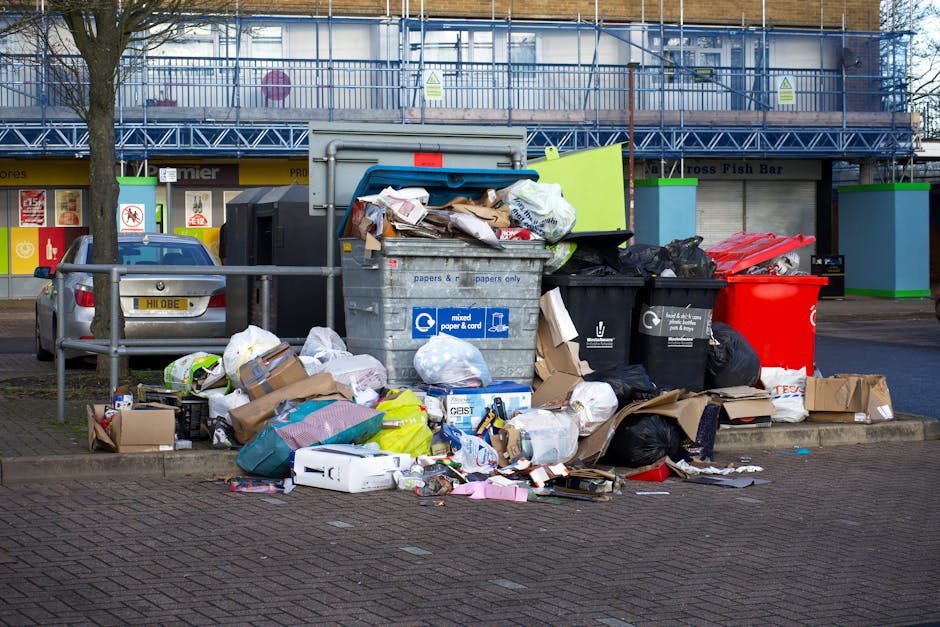
If you live in Brixton, rubbish builds up in a way that feels almost rude. One minute it is a flat-pack box and an old chair, the next it is a hallway that you keep sidestepping like it has become part of the furniture. This Brixton London rubbish removal practical guide for residents is here to make the whole process clearer, calmer, and much less of a headache.
Whether you are clearing a flat after a move, dealing with bulky waste, sorting out a garden pile, or simply trying to get back on top of things, the goal is the same: remove waste safely, legally, and without wasting your weekend. You will find practical advice here on how rubbish removal works in Brixton, when it makes sense to use a professional service, what to avoid, and how to choose the most sensible option for your situation. Let's face it, nobody wants to spend a Saturday wrestling a broken wardrobe down two flights of stairs.
Expert summary: The smartest rubbish removal choice is usually the one that fits your access, volume, time pressure, and waste type. In Brixton, that often means balancing council collections, private clearance, and recycling-focused disposal rather than assuming one route suits everything.
- Why rubbish removal matters in Brixton
- How rubbish removal works
- Key benefits and practical advantages
- Who this is for and when it makes sense
- Step-by-step guidance
- Expert tips for better results
- Common mistakes to avoid
- Tools, resources and recommendations
- Law, compliance, standards, or best practice
- Options, methods, or comparison table
- Case study or real-world example
- Practical checklist
- Conclusion
- Frequently asked questions
Why Brixton London rubbish removal practical guide for residents Matters
Brixton is busy, dense, and full of properties that are not always designed for easy waste disposal. That sounds obvious, but it matters more than people expect. Narrow stairwells, shared entrances, basement flats, permit restrictions, and limited kerb space all make rubbish removal a little more complicated than "put it outside and hope for the best".
For residents, the practical issue is not just getting rid of unwanted items. It is doing so without blocking neighbours, causing trip hazards, leaving waste to attract pests, or risking a fly-tipping complaint. In a place where people are constantly coming and going, a few bags left in the wrong spot can create a surprisingly big mess. You notice it most on a damp morning, when cardboard has gone soft and the smell has started to linger. Not ideal.
There is also a real cost angle. If you hire the wrong help, overfill bins, or make multiple unnecessary trips, the job gets more expensive and more stressful than it needs to be. A proper approach helps you choose the right disposal route first time, which saves time and usually keeps the process tidier too.
And there is a wider point: responsible waste disposal protects the local area. Brixton, like much of London, depends on residents making sensible decisions about recycling, reusing, and disposing of bulky items correctly. That is one of those boring truths that becomes important very quickly when bins overflow or a mattress is dumped beside the pavement.
How Brixton London rubbish removal practical guide for residents Works
At a practical level, rubbish removal in Brixton usually falls into one of three routes: council collection, private waste clearance, or self-managed disposal. Each has a place. The key is knowing which one fits the job you actually have, not the job you wish you had.
Council options
Council services can be suitable for certain household waste and some larger items, depending on the type of material and the service rules at the time. They are often the first thing residents think of, especially for occasional bulky waste. The trade-off is that you may need to book in advance, prepare items in a specific way, and accept limited collection slots.
Private rubbish removal
Private waste collection is usually the more flexible option. A team can come at a time that suits you, remove items from inside the property, and deal with mixed loads that would be awkward to manage yourself. This is especially useful for flats, shared buildings, elderly residents, time-sensitive clearances, and awkward access situations.
For example, a third-floor flat with a broken sofa, two old wardrobes, and a pile of bagged clutter is rarely a simple DIY job. A professional crew can save a lot of stairwell drama.
Self-removal
Some residents prefer to hire a van or take waste to an authorised facility themselves. This can work well if you only have a small amount of waste, time to sort it properly, and the right vehicle. The catch is that it still takes planning, lifting, loading, and transport. You also need to know what can and cannot be taken where.
Whichever route you choose, the process usually follows the same pattern: assess the waste, separate recyclable and non-recyclable items where possible, choose a disposal route, get the items ready, and arrange collection or drop-off. Simple enough in theory. In practice, the hard part is usually the stairs.
Key Benefits and Practical Advantages
Getting rubbish removed properly is not just about making the place look better, although that is a big part of it. The real benefits are a mix of convenience, hygiene, safety, and control.
- Less clutter, faster - Removing waste clears space for cleaning, moving, decorating, or simply living normally again.
- Reduced trip hazards - Old furniture, loose cords, and stacked bags create very real risks in hallways and entrances.
- Better hygiene - Food waste, damp cardboard, and broken items can attract pests or unpleasant smells.
- Less stress - A clear plan is calmer than trying to "deal with it later" every day for two weeks.
- More efficient recycling - Mixed waste can often be separated so more of it is reused or recycled.
- Faster property turnaround - Helpful if you are moving, letting, selling, or preparing for decorators.
There is also a practical psychological benefit people do not talk about enough. Clutter wears you down. A clean, emptied room feels smaller at first, then somehow bigger a few minutes later. Strange, but true.
Who This Is For and When It Makes Sense
This guide is for Brixton residents dealing with one-off waste problems rather than ongoing commercial waste streams. That includes tenants, homeowners, landlords, estate managers, and anyone in a flat share who has reached the point of "we really need to sort this out".
It makes sense to arrange proper rubbish removal if you are facing any of the following:
- a house move or end-of-tenancy clearance
- bulky items that will not fit in standard bins
- old furniture, mattresses, or white goods
- garage, loft, shed, or cellar clear-outs
- renovation debris or builders' waste
- garden waste after pruning or landscaping
- hoarded items or long-term clutter buildup
- shared-property clean-ups where the load is too awkward for one person
It may also make sense if you have mobility limits, limited time, or simply do not want to move heavy items through a cramped stairwell. Truth be told, that covers a lot of people.
If your waste is minor and can be handled through normal household collection, you may not need anything more. But once a job becomes bulky, mixed, or time-sensitive, a dedicated clearance service tends to be the cleaner route.
Step-by-Step Guidance
If you want a sensible, low-stress result, work through the process in order. Rushing usually creates either extra cost or extra mess. Sometimes both.
- Identify the waste type
Separate general rubbish from items like electricals, sofas, mattresses, garden waste, or construction debris. Different waste types can require different handling. - Estimate the volume
Think in practical terms: one van load, a few bags, a single bulky item, or a whole room. A photo can help if you are asking for a quote. - Check access
Stairs, parking, permits, building entry codes, and loading distance all matter. A first-floor flat with a lift is not the same as a top-floor walk-up, obviously. - Decide on the disposal route
Compare council collection, private removal, or self-transport. If the items are awkward, mixed, or urgent, private collection is often the easier path. - Sort anything reusable or recyclable
Good condition furniture, metal, cardboard, and some electrical items may be handled separately. That can reduce waste and sometimes reduce cost. - Prepare the load
Bag loose waste, tape sharp edges, and keep heavy items accessible. Do not bury the sofa under eight other things unless you enjoy chaos. - Book the collection
Choose a time that suits the property and neighbours. Morning slots can be helpful if you want the road, stairwell, or lift to be quieter. - Confirm what happens next
Ask where the waste will go, whether recycling is included, and whether loading is from inside or outside the property.
That order matters. When people skip straight to booking, they often miss access issues and end up scrambling for parking or moving half the load twice.
Expert Tips for Better Results
Here are the small things that make a rubbish removal job smoother in real life. Not glamorous, but very useful.
- Take photos before you start moving items - This helps with quotes and avoids awkward surprises.
- Group similar items together - Put furniture with furniture, cardboard with cardboard, and bagged rubbish together where possible.
- Protect hallways and communal areas - A bit of cardboard or old sheet material can save a lot of scuffs. Landlords notice these things.
- Label anything that should not be taken - If a room contains things you are keeping, make it obvious.
- Disassemble what you safely can - A flat-pack wardrobe often becomes easier once it is broken down. Safely being the key word.
- Keep access clear on collection day - Shoes, prams, bags, and bicycles in the way will slow everyone down.
- Think about noise and timing - In flats, early or late collections can annoy neighbours. Mid-morning is often the least awkward.
One very practical tip: if your waste includes a mix of heavy and light items, put the heaviest items nearest the door or loading point. It sounds minor, but it saves time and backache. And nobody wants a backache for the sake of a broken bookshelf.
If you are trying to make the process more environmentally sensible, ask how items are sorted for recycling and whether reusable goods are separated before disposal. Responsible waste handling is not just a nice extra. It is part of doing the job properly.
Common Mistakes to Avoid
A lot of rubbish removal problems are predictable. The good news is that most of them are avoidable with a little planning.
- Leaving waste until the last minute - This creates stress and usually reduces your options.
- Assuming all waste can go together - Some items need special handling, particularly electricals, large furniture, and certain bulky materials.
- Forgetting access details - Parking restrictions, locked gates, and narrow staircases can turn a simple job into a delay.
- Mixing dangerous and ordinary waste - Sharp items, liquids, and suspect materials need care.
- Choosing only on price - The cheapest option can become expensive if service, loading, or disposal handling is poor.
- Not checking what is included - Some quotes cover only collection, while others include carrying items from inside the property.
- Dumping items beside communal bins - That is usually the quickest route to complaints, and nobody wants that email from the managing agent.
A classic mistake is underestimating how much room an old sofa or mattress actually takes. It always looks manageable until you try to turn it in a narrow landing. Then the whole situation becomes, well, a bit silly.
Tools, Resources and Recommendations
You do not need a garage full of equipment to manage rubbish removal well, but a few basic tools make life easier. Most of these are simple household items.
- Heavy-duty sacks for loose general waste
- Work gloves for handling rough or dusty items
- Strong tape or straps for securing loose parts
- Marker pens for labeling what stays and what goes
- A tape measure for checking whether large items fit through doors and lifts
- Moving blankets or cardboard to protect floors and walls
- Basic hand tools if you are safely dismantling furniture
For bigger or more awkward clearances, it can help to use a professional service that also handles sorting, loading, and disposal. If you are comparing options, pages like rubbish removal, waste clearance, and bulk waste collection can help you understand the different service styles available.
If your waste is mostly old household items, you may also want to look at furniture clearance, sofa removal and collection, or mattress removal and collection. For mixed household clear-outs, house clearance and flat clearance are often more relevant than a simple one-item pickup.
If you are dealing with heavier or more specialised waste streams, pages such as builders waste clearance, garden clearance, fridge disposal, and white goods recycle may be useful starting points.
Law, Compliance, Standards, or Best Practice
Waste disposal in London is not just a practical job; it also comes with legal and environmental responsibilities. The exact rules can vary by waste type and service provider, so it is wise to treat this as general guidance rather than a substitute for specific advice.
As a resident, you should make sure waste is handed to a legitimate carrier or placed through the correct council process. If someone offers to take waste away cheaply without clear details about licensing, disposal destination, or documentation, that is a red flag. Fly-tipping problems often start with a "cheap and easy" arrangement that was neither.
Best practice usually includes:
- using authorised collection and disposal routes
- separating recyclable material where reasonable
- keeping hazardous items apart from general rubbish
- protecting shared spaces and public pavements
- confirming where waste will be processed or recycled
- keeping records if you are a landlord, letting agent, or property manager
For business or mixed-use properties in Brixton, the expectations can be stricter. In those cases, a service such as business waste removal or commercial waste collection may be more appropriate than standard household clearance.
There are also practical standards around health and safety. Heavy lifting, sharp edges, broken glass, and damp waste all carry risk. If a job looks risky, it probably is. A cautious approach is not overkill; it is common sense.
Options, Methods, or Comparison Table
Choosing the right disposal route is easier once you see the trade-offs side by side. The "best" option depends on volume, urgency, access, and how much work you want to do yourself.
| Option | Best for | Pros | Limitations |
|---|---|---|---|
| Council collection | Occasional bulky items or standard household waste | Familiar process, may suit smaller needs, good for routine items | Usually less flexible, may require booking and preparation, limited item types |
| Private rubbish removal | Flats, awkward access, mixed waste, urgent clearances | Flexible timing, collection from inside property, faster turnaround | Can cost more than doing it yourself, quote depends on load and access |
| Self-removal | Small loads and residents with transport | Direct control, may suit light loads, useful if you already have a van | Physical effort, parking and transport issues, time-consuming |
If you are unsure, ask yourself three questions: How much waste do I have? How hard will it be to move? How soon do I need it gone? Those three questions usually point to the right answer faster than anything else.
Case Study or Real-World Example
A common Brixton scenario goes like this. A resident clears a two-bedroom flat after a move and finds they have a broken bed frame, an old sofa, several bags of mixed clutter, some cardboard, and a fridge that no longer works. The lift is tiny. The stairwell is tight. Parking is not simple. Typical London story, really.
At first, they consider trying to split the job across several weekends. That sounds manageable until the first evening, when the hallway starts looking like a temporary warehouse. The better approach is to sort the items by type, separate what can be recycled, and book a collection that can remove everything in one go. The fridge needs proper handling, the sofa needs carrying, and the mixed bagged waste needs safe disposal. One visit. Job done.
The useful lesson here is not that every job needs a private collection. It is that mixed, awkward, or time-sensitive waste often costs less in stress when handled properly the first time. Even if the actual spend is higher than a council option, the saved time and reduced disruption can make it the better value.
Residents also tend to underestimate the clean-up after the removal itself. Dust, loose screws, and the odd bit of packaging remain. So once the waste is out, give the room a quick sweep and a final check under corners and radiators. It is a small thing, but it closes the loop nicely.
Practical Checklist
Use this checklist before collection day. It keeps things simple and reduces the odds of last-minute panic.
- Identify exactly what needs removing
- Separate recyclable items where possible
- Check for electricals, mattresses, sofas, or bulky items that may need special handling
- Measure large items against doors, stairwells, and lifts if you are moving them yourself
- Confirm access, parking, and any entry instructions
- Bag or bundle loose waste securely
- Label anything that should stay
- Move items to a clear, safe location if requested
- Protect floors, walls, and communal areas
- Keep pets and children away from the work area
- Ask what happens to recyclable and reusable material
- Double-check the collection time the day before
If you are dealing with several rooms or a property that has been neglected for a while, start with the easiest visible items first. A bit of progress creates momentum. People underestimate that all the time.
Conclusion
Brixton rubbish removal does not need to be chaotic. Once you know the type of waste you have, the access you are working with, and the level of speed you need, the decision becomes much easier. Council collection, private rubbish removal, and self-transport all have their place, but each works best in a different situation.
The best results usually come from a simple formula: sort early, plan access, avoid risky shortcuts, and choose the disposal route that fits the real job rather than the imagined one. If you do that, you will save time, reduce stress, and keep your home or building in better shape. That is a pretty good outcome for something as unglamorous as rubbish removal.
Get a free quote today and see how much you can save.
And if all you do tonight is clear one corner, that still counts. Honestly, sometimes that is the start of the whole thing.
Frequently Asked Questions
What is the easiest way to arrange rubbish removal in Brixton?
The easiest route depends on what you are removing. For a few bulky items, a private collection is often the simplest. For smaller routine waste, council options may be enough. If you want the least hassle, choose the option that matches your access and load size rather than forcing a DIY solution.
Can rubbish be collected from inside my flat?
Many private waste removal services can collect items from inside a flat, including upper floors, provided access is safe and agreed in advance. This is especially useful in Brixton where stairwells and parking can make self-removal awkward.
What items are usually hardest to remove?
Large sofas, wardrobes, mattresses, fridges, and mixed renovation waste are often the most awkward. They are heavy, bulky, or need special handling. Narrow hallways and tight corners can make them feel ten times bigger than they really are.
How do I know whether I need bulky waste collection or full clearance?
If you have one or two large items, bulky waste collection may be enough. If you have several rooms of clutter, mixed rubbish, or items spread through a property, full clearance is usually more practical.
Is it better to use the council or a private company?
Neither is automatically better. Council services can suit simple, routine jobs. Private companies are often better for speed, access issues, or mixed waste. The right choice depends on time, item type, and how much lifting you want to do yourself.
Can I put a mattress or sofa out with normal household rubbish?
Usually, no. Large items often need a separate collection route. Leaving them by standard bins can lead to missed pickup or complaints. It is better to arrange a proper large-item service.
What should I do with electrical items and white goods?
Electrical items and white goods should be handled carefully because they may need specific recycling or disposal processes. If possible, use a service that can deal with those items properly rather than mixing them with general rubbish.
How can I reduce the cost of rubbish removal?
Sort items before collection, separate recyclables, clear easy access points, and make sure the quote reflects the real volume. Taking photos can help avoid surprises. A well-prepared load is usually cheaper and quicker to remove.
What happens to the waste after collection?
That depends on the provider and the waste type. Ideally, items are sorted for reuse, recycling, or responsible disposal. If you are unsure, ask the provider how they handle mixed loads and recyclable materials.
Is it legal to hire someone with a van for rubbish removal?
It can be legal, but you should be confident they are operating properly and handling waste responsibly. Always be cautious with very cheap offers that do not explain where the waste goes or how it is processed.
How far in advance should I book rubbish removal?
If your waste is not urgent, booking a little ahead gives you more choice. If you are moving, renovating, or dealing with a deadline, book as early as you reasonably can. Rubbish has a habit of becoming more annoying the longer it sits there.
What is the best option for a flat clearance in Brixton?
For a flat clearance, especially in a building with stairs or limited parking, a private clearance service is often the most straightforward option. It reduces the lifting, keeps the process quicker, and avoids multiple van trips.
How do I make sure the removal is environmentally responsible?
Ask whether items are sorted for recycling, whether reusable goods are separated, and how different waste streams are handled. Responsible disposal is not just about emptying the property. It is about sending the right material to the right place.