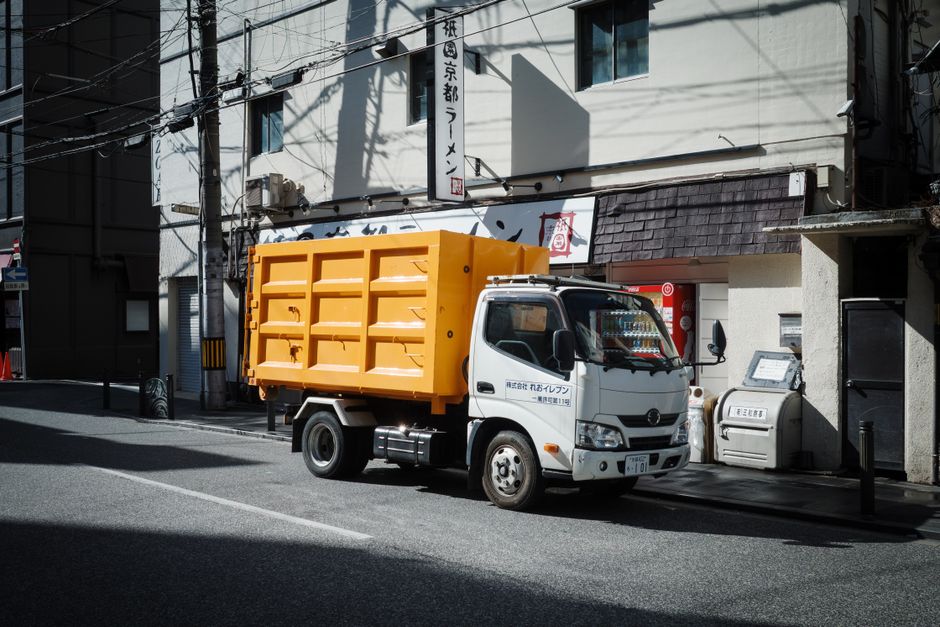
Book Commercial Waste Collection for London Businesses
If you run a business in London, waste has a habit of arriving faster than you expect. One minute it's a stack of cardboard boxes and packaging after a busy delivery morning; the next it's a full bin store that needs sorting before the smell, clutter, or complaints start. Booking commercial waste collection for London businesses is not just about getting rid of rubbish. It's about keeping your premises tidy, meeting your duty of care, and making sure operations keep moving without little waste-related headaches turning into bigger ones.
This guide walks through how commercial waste collection works, what to check before you book, how to avoid common mistakes, and which options make sense for different kinds of London businesses. If you want a clear, practical overview without the fluff, you're in the right place.
Table of Contents
- Why it matters
- How it works
- Key benefits and practical advantages
- Who this is for and when it makes sense
- Step-by-step guidance
- Expert tips for better results
- Common mistakes to avoid
- Tools, resources and recommendations
- Law, compliance, standards, or best practice
- Options, methods, or comparison table
- Case study or real-world example
- Practical checklist
- Conclusion
- Frequently asked questions
Why Book Commercial Waste Collection for London Businesses Matters
Commercial waste sounds straightforward until it isn't. London businesses deal with tight access, busy streets, limited storage space, and a constant flow of packaging, food waste, office waste, or bulky items. If collection is irregular or the wrong service is booked, you quickly end up with overflowing bins, extra handling, and avoidable disruption. That's before you even think about reputation. A messy bin area behind a restaurant, salon, shop, office, or warehouse is rarely a good look.
There's also a practical duty here. Businesses are expected to manage their waste responsibly and use a registered and suitable waste carrier. In plain English, that means you should know where your waste is going, how it will be handled, and whether the collection provider is set up to manage it properly. No drama, just sensible housekeeping. But sensible housekeeping matters more than people think.
In London especially, waste collection is not a background task. It's part of keeping the whole operation moving. A cafe on a narrow street in Camden. An office in Westminster with limited bin storage. A retail unit in Shoreditch getting deliveries all day. Each one has different constraints, and the right collection plan can save time, space, and a fair bit of stress.
Expert summary: the best commercial waste collection setup is not necessarily the cheapest or the biggest; it's the one that matches your waste type, collection rhythm, access constraints, and compliance needs without creating extra work for your team.
How Book Commercial Waste Collection for London Businesses Works
The booking process is usually simpler than people expect, but the detail matters. You start by identifying what kind of waste you produce, how much of it there is, and how often it builds up. From there, the provider can recommend the right collection type, frequency, and container size. For many sites, that might mean scheduled collections. For others, a one-off uplift or a bulk waste collection is the better fit.
Typical commercial waste streams include general waste, mixed recycling, cardboard, office clearance waste, food waste, bulky items, and sometimes specialist waste such as white goods or furniture. The key is not just the item itself, but how it's stored, segregated, and collected. Mixed up bins tend to create mixed up problems. Simple enough, really.
A good provider should ask sensible questions before confirming the service:
- What type of business are you running?
- What waste do you generate most often?
- How much space do you have for storage?
- Are there lift restrictions, loading bay limits, or narrow access points?
- Do you need regular ongoing collections or a one-off removal?
- Are there items that need special handling, such as fridges or furniture?
That information shapes everything. In a busy London setting, a collection that works on paper can fail in practice if the lorry can't access the site at the right time or the bins are not easy to present. You notice this most during peak hours, when a wasted ten minutes becomes a genuine bottleneck. Been there, done that, not ideal.
If your operation also involves wider clearance work, you may want to compare dedicated services such as office clearance or commercial waste collection alongside general removal options. That helps you decide whether you need a recurring contract, a one-off collection, or a mix of both.
Key Benefits and Practical Advantages
For London businesses, the benefits of a reliable collection service are not abstract. They show up in day-to-day operations. A cleaner site means fewer pests, less clutter, better working conditions, and less embarrassment when clients, staff, or inspectors walk past the back area. Small thing? Not really. It affects how smoothly the business feels.
Here are the main advantages, in practical terms:
- Fewer disruptions: waste is removed on a planned basis instead of becoming a last-minute problem.
- Better hygiene: especially important for food businesses, shared office spaces, and customer-facing sites.
- More usable space: storage areas stay clearer and easier to manage.
- Improved compliance: documented collections and a suitable carrier help support your duty of care.
- Stronger recycling habits: a proper setup makes it easier to separate materials correctly.
- Less staff frustration: nobody enjoys wrestling with overloaded bins before opening time.
There's also a subtle benefit that business owners sometimes underestimate: consistency. Once a waste routine is working, people stop thinking about it every day. And when waste stops demanding attention, other parts of the business get the headspace they need. That might sound small, but in a fast-paced London environment, small wins stack up quickly.
| Benefit | What it means in practice | Why it matters in London |
|---|---|---|
| Scheduled collections | Waste is taken away on agreed days and times | Helps with tight access, loading bay windows, and busy streets |
| Better segregation | Recycling, general waste, and bulky waste are separated properly | Can support cleaner storage areas and easier handling |
| Reduced clutter | Bins and overspill do not build up | Useful where space is at a premium, which is most places, truth be told |
| Compliance support | Collection records and carrier checks can be kept in order | Helps show responsible waste management if questions arise |
Who This Is For and When It Makes Sense
This service is for any London business that produces waste regularly, but the exact shape of the service depends on the site. A small design studio in Islington will need something very different from a restaurant in Southwark or a warehouse-style business in east London. The waste itself changes. So does the volume. So does the urgency.
It often makes sense to book commercial waste collection if you are:
- running an office with paper, packaging, and furniture waste
- operating a shop or showroom with packaging and display waste
- managing a cafe, bar, takeaway, or restaurant
- overseeing a property with tenant or communal business waste
- clearing out old stock, fixtures, or bulky commercial items
- needing a one-off removal after refit, relocation, or closure
It also makes sense when your current arrangement is quietly failing. Maybe bins keep overflowing before collection day. Maybe the storage room smells bad by midweek. Maybe staff are leaving cardboard by the back door because the current setup doesn't work. That's usually the moment to take a fresh look.
If your waste challenge is more about bulky items than day-to-day bins, services like bulk waste collection or bulky waste collection may be a better fit. And if you're dealing with larger office or storage-area clearouts, rubbish removal can help bridge the gap between regular collections and a full clearance job.
Step-by-Step Guidance
Booking the right service becomes much easier if you treat it like a small operational project rather than a quick phone call. Here's a sensible way to do it.
- Identify your waste types. Separate general waste, recycling, cardboard, food waste, and bulky items. Do not assume one bin type will cover everything.
- Estimate volume honestly. Look at what fills up over a normal week, not during a random quiet period. A Monday morning impression can be misleading.
- Check access and storage. Measure bin store space, note any stairs, lifts, loading restrictions, or narrow alleys.
- Decide on frequency. Some businesses need daily or several-times-weekly collections. Others only need occasional lifts or seasonal support.
- Ask about recycling options. A better setup often means less mixed waste and more material diverted into recycling streams.
- Confirm what is and isn't included. Clarify bin supply, swap-outs, extra lifts, and treatment of special items.
- Keep your records tidy. Maintain basic paperwork for collections and carrier details where relevant.
Here's the plain truth: the more accurate your information at the start, the fewer nasty surprises later. If you tell a provider you need "a bit of waste" and the reality is three cages of cardboard every week, something will give. Usually your schedule. Sometimes your budget. Occasionally both.
A good rule of thumb is to review your setup after any major change in the business: a new menu, new product lines, an office move, a refit, a new supplier, or a sharp rise in deliveries. Waste patterns shift quietly. By the time you notice, the bins have already filled up again.
Expert Tips for Better Results
There are a few small habits that make a big difference. Not glamorous, but effective. In our experience, the businesses that get waste collection right usually do a handful of simple things consistently.
- Label bins clearly. If people know what goes where, contamination drops fast.
- Flatten cardboard before storage. It saves space and makes collection easier.
- Keep wet waste away from dry recycling. Once cardboard is soaked, it's often less useful.
- Set a collection day routine. If staff know when bins are emptied, they can prepare properly.
- Review container sizes after busy periods. What worked in winter might not work in summer or during peak trading.
- Choose one internal owner for waste. Too many people "sort of" managing it tends to create gaps. Human nature, really.
One practical tip that often gets overlooked: place bins where people naturally use them. If your recycling point is awkward, tucked behind a fire door, or too far from the prep area, people will do the quick thing instead of the correct thing. They're not being difficult. They're being busy.
Another useful habit is to do a five-minute end-of-day check. Walk the waste area, look at bin fill levels, and ask whether tomorrow will be messy. That little pause can save a surprisingly large headache the next morning.
Common Mistakes to Avoid
Most waste problems are not mysterious. They usually come from a few avoidable mistakes that quietly pile up until the system breaks down.
- Underestimating volume: booking too little capacity is the fastest route to overflow.
- Mixing waste streams: contamination can make recycling less effective and handling more difficult.
- Ignoring access issues: a perfect service on paper is useless if the vehicle cannot reach the site easily.
- Forgetting storage limits: if the bin store is tiny, large containers may be unrealistic.
- Not checking carrier suitability: you want a provider that is set up to handle commercial waste properly.
- Leaving seasonal changes out of the plan: Christmas, sales periods, refits, and stock changes all affect waste volume.
A classic example is the office that books collections based on average weekly waste, then installs new desks or clears out an archive. Suddenly the old arrangement is too small, and the team is left stacking boxes in corridors. That's not an edge case. It happens all the time.
Another one: a business assumes the waste provider will "just know" when to collect an extra load. They won't, and to be fair, they shouldn't have to guess. Clear communication saves everyone a lot of back-and-forth.
Tools, Resources and Recommendations
You do not need fancy software to manage commercial waste well, but a few basic tools help. A spreadsheet may not be exciting, yet it can be very effective. Sometimes the humble spreadsheet wins the day.
Useful internal tools and admin habits include:
- a simple waste log showing collection dates and container types
- a contact list for site managers and responsible staff
- bin location notes for each premises
- photos of waste storage areas to help plan capacity
- an internal reminder for contract review dates
From a service perspective, it can also help to compare related collection options. For example, if a site produces a mix of office waste and large items, it may be useful to review business waste removal alongside commercial waste disposal. If your operation includes regular recycling separation, a page on recycling and sustainability can help you think through the longer-term setup.
For businesses with changes happening on-site, pairing waste collection with other property-focused services such as property clearance or waste clearance can be the cleaner solution. That is especially true if you are dealing with a move, refurbishment, or a sudden clear-out after a stock change. Bit of planning now, fewer bins later.
Law, Compliance, Standards, or Best Practice
Commercial waste collection in the UK sits within a framework of practical responsibility and legal duty. The exact requirements can vary depending on the waste type and your business activity, so it is wise to treat compliance carefully rather than casually. At a minimum, businesses should understand their duty of care, keep waste secure, and use a suitable waste carrier for removal.
In everyday terms, that means you should know:
- what waste your business produces
- how it is stored before collection
- who is collecting it
- where it is likely to go afterwards
- whether any special handling is needed for certain items
There are also best-practice expectations that are not always written on a noticeboard but matter in the real world. Keep your waste separated where possible. Do not leave waste where it creates an obstruction or a hygiene issue. Make sure staff know who to contact if bins are full early. And if you use a contractor, check that your paperwork is in order and stored sensibly.
If you handle mixed business waste across several sites in London, consistency matters. One branch may be spotless while another struggles with overflow. It's worth setting a standard across locations so the system is predictable. Predictable is good. Predictable makes life easier.
Where specialist items are involved, such as fridges, mattresses, or furniture, choose the right removal route rather than treating everything as general waste. Services such as fridge disposal, furniture removal and collection, or mattress removal and collection can be more appropriate than standard bin uplift. That distinction matters for safety, handling, and practical efficiency.
Options, Methods, or Comparison Table
Not every business needs the same collection model. The right choice depends on volume, frequency, access, and how varied the waste stream is. Here's a straightforward comparison.
| Option | Best for | Strengths | Watch-outs |
|---|---|---|---|
| Regular scheduled collections | Offices, restaurants, shops, and sites with ongoing waste | Stable, easy to plan, less clutter | Needs accurate volume planning and consistent access |
| One-off commercial waste removal | Moves, clearouts, refits, seasonal spikes | Flexible, fast, good for sudden jobs | Not always ideal for repeat waste generation |
| Bulk or bulky waste collection | Large furniture, stock, packaging, miscellaneous items | Useful for awkward or oversized items | May not suit everyday bin waste |
| Specialist item removal | Fridges, mattresses, office furniture, heavy items | Appropriate handling and less hassle | Usually needs item-specific planning |
If you are unsure which route is best, start with the waste type and the frequency. That usually narrows things down fast. A recurring office with steady cardboard and general waste needs a different answer from a retail fit-out throwing out shelving, packaging, and old displays in one go. Different job, different fix.
Case Study or Real-World Example
Picture a small group of offices in central London. Not huge, not tiny, just the sort of place where everyone is moving quickly, deliveries arrive at awkward times, and the bin store is always one bad week away from becoming a problem. The team had been relying on occasional clear-outs, but cardboard was stacking up near the back entrance and general waste was being squeezed into bins that were already full by midweek.
The fix was not complicated. First, they reviewed the waste streams and separated cardboard from general waste more carefully. Then they switched from reactive clear-outs to a more regular collection schedule. They also made one person responsible for checking the bin store every afternoon, which sounds dull, but it worked. Very old-fashioned, very effective.
Within a few weeks, the site was easier to keep tidy. Staff stopped improvising with excess bags, the storage area became more usable, and the office manager had fewer last-minute calls to make. The important bit was not just removing waste, but putting a rhythm around it.
That kind of result is common when the collection plan matches the real business activity. The service does not need to be fancy. It just needs to fit.
Practical Checklist
Use this checklist before you book commercial waste collection for your London business:
- Have you identified every waste type your site produces?
- Do you know roughly how much waste you generate each week?
- Is your storage area big enough for the current setup?
- Can collection vehicles or staff access the site without unnecessary delays?
- Are recycling and general waste kept separate where practical?
- Have you checked whether bulky items or specialist waste need separate handling?
- Do you have a clear internal contact for waste issues?
- Have you reviewed the service after any recent change in trading patterns?
- Are collection records and contractor details easy to find?
- Do staff know what to do if bins fill early?
If you can tick most of those off, you are already ahead of many sites. Honestly, a lot of waste trouble comes from vague assumptions rather than complicated failures.
Get a free quote today and see how much you can save.
Conclusion
Booking commercial waste collection for London businesses is really about making the practical side of operations easier. When the right service is in place, bins are emptied on time, waste is handled properly, and staff are not spending energy on a problem that should have been sorted ages ago. That is the real value. Quiet efficiency. Less mess. More control.
For some businesses, the answer is a simple recurring collection. For others, it is a mix of regular pickups, bulky waste support, and occasional clearance. The best setup is the one that fits the pace of your business and the realities of your site, not the one that looks neat on a brochure. And if you get that balance right, everything feels a bit lighter. A bit easier. Which, in London, is no small thing.
When you are ready, choose the option that matches your waste, your schedule, and your access needs. The rest tends to fall into place.
Frequently Asked Questions
What is commercial waste collection for London businesses?
It is a service that removes business-generated waste such as general rubbish, recycling, cardboard, food waste, and bulky items from commercial premises in London. The right service depends on how much waste you produce and how often you need it collected.
How do I know which waste collection service I need?
Start by looking at your main waste streams and how quickly they build up. If you mainly produce regular bin waste, a scheduled collection may suit you. If you have old furniture, stock, or a one-off clearout, a bulk or bulky waste service may be more appropriate.
Can I book a one-off collection instead of a contract?
Yes, many businesses use one-off collections for clearouts, refits, or short-term waste surges. That can be a sensible choice if your waste levels change from time to time rather than staying steady throughout the year.
What types of businesses usually need commercial waste collection?
Offices, shops, restaurants, cafes, salons, warehouses, landlords, and managed properties often need it. Any business that creates regular waste, especially in a busy London setting, benefits from having a proper collection plan.
How often should commercial waste be collected?
That depends on your volume, storage space, and type of waste. Some businesses need daily or several-times-weekly collections, while others only need occasional uplifts. The right frequency is the one that prevents overflow without creating wasteful trips.
Is recycling included in commercial waste collection?
Often it can be, but it depends on the provider and the waste streams you generate. Many businesses benefit from separating recyclables such as cardboard and mixed dry recyclables rather than putting everything into general waste.
Do I need to prepare the waste before collection?
Usually yes. Flatten cardboard, separate waste streams where possible, and make sure items are accessible. Good preparation helps collections run smoothly and avoids wasted space or contamination.
What happens if my business produces bulky items?
Bulky items may need a separate collection route, especially if they are large, awkward, or heavy. Furniture, white goods, and similar items are often better handled through dedicated bulky waste or specialist removal services.
How can I avoid overflowing bins at my premises?
Review your collection frequency, check whether bins are the right size, and make sure staff understand sorting rules. Overflow usually means the system needs adjusting, not that the waste problem is unusual.
What should I check before I book a provider?
Check what waste types they handle, how collections work, whether they are suitable for your site access, and what is included in the price. It is also wise to understand how they manage compliance, recycling, and paperwork.
Are there any compliance issues I should be aware of?
Yes. Businesses should manage waste responsibly, use a suitable waste carrier, and keep basic records where appropriate. If you deal with specialist items, make sure they are handled using the right service rather than treating everything as general waste.
Can commercial waste collection help with office clearouts?
Yes. If you are moving desks, clearing old files, or removing furniture, a collection or clearance service can remove waste quickly and keep the site usable while the work is happening.