Waste Recycling in St Giles: A Comprehensive Guide
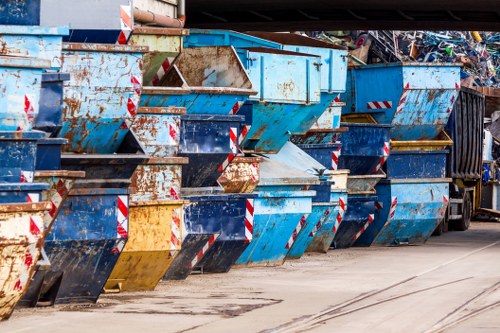
A row of large, weathered steel skips and metal containers positioned along a paved area, likely on a driveway or service yard associated with waste management in St Giles. The skips are predominantly blue with some showing rust, peeling paint, and minor dents, indicating frequent use and exposure to the elements. They are arranged in a slight incline, with some stacked or overlapping, and are bordered by a concrete surface that bears tire marks and minor oil stains. To the right, a portion of a black vehicle with a flatbed or open rear is visible, partially obscured by the skips, suggesting an activity related to rubbish collection or transfer. The environment appears to be an industrial or commercial site dedicated to waste removal, with a background that lacks additional structures or greenery, emphasizing practicality and function. This scene exemplifies the typical equipment used by waste recycling services in the London area to handle bulky or heavy rubbish.

St Giles is a vibrant area known for its rich history and bustling community. As environmental concerns grow, waste recycling has become a crucial aspect of maintaining the area's sustainability. Proper waste management not only helps in reducing landfill waste but also conserves natural resources and promotes a healthier environment for all residents.

Implementing effective recycling practices in St Giles involves understanding the types of recyclable materials, the available recycling facilities, and the best practices for waste segregation. This guide aims to provide an in-depth look at waste recycling in St Giles, offering practical tips and highlighting local initiatives that make the community a model for sustainability.

One of the first steps in effective waste recycling is educating the community about what can be recycled. Common recyclable materials include paper, cardboard, glass bottles, aluminum cans, and certain plastics. By separating these materials from general waste, residents can significantly reduce the amount of trash that ends up in landfills.

Understanding Waste Recycling
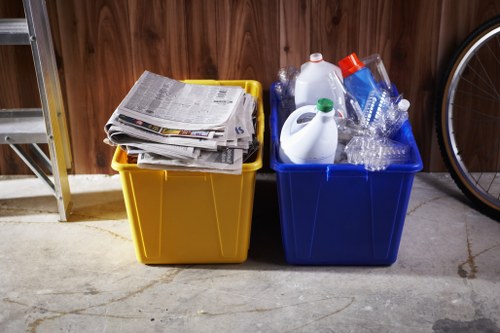
Two plastic recycling bins placed on a concrete floor in an indoor storage area with wooden paneling on the wall behind them. The left bin is yellow and contains a stack of newspapers and magazines, while the right bin is blue and filled with discarded plastic bottles, some with caps, and a plastic water container. The yellow bin appears slightly taller, and the blue bin is filled to the brim with clear and translucent plastic waste. To the right of the bins, part of a bicycle wheel is visible, indicating a nearby storage or utility space. The environment suggests a domestic or small commercial setting in St Giles, suitable for waste recycling and rubbish collection services from Waste Recycling.

Waste recycling involves processing used materials into new products to prevent waste of potentially useful materials. This process not only reduces the consumption of fresh raw materials but also decreases energy usage, lowers greenhouse gas emissions, and minimizes environmental impact.

In St Giles, recycling programs are designed to be accessible and efficient. Local authorities provide designated recycling bins and regular collection services to ensure that residents can easily participate in recycling initiatives. Additionally, public awareness campaigns help educate the community about the importance of recycling and how to do it correctly.

Recycling also fosters economic benefits by creating jobs in the recycling and manufacturing industries. As demand for recycled materials grows, so does the opportunity for local businesses to thrive and contribute to the area's economic development.

Recycling Facilities in St Giles
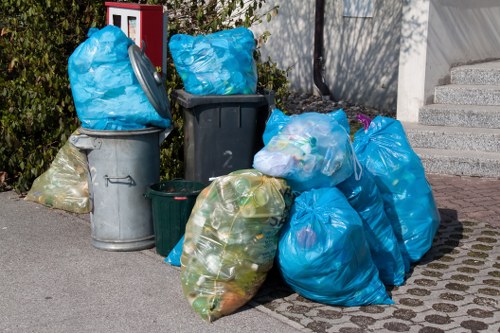
A collection of various waste disposal bins and bags placed on a paved sidewalk area near a residential building. The scene includes two large blue plastic bin liners filled with mixed waste, some appearing to contain recyclable bottles and packaging, positioned on top of or leaning against two black wheelie bins, one of which has a partially open lid. Additionally, there are smaller clear and green plastic refuse bags filled with different types of rubbish, placed around the larger bins. The environment features a concrete driveway with a patterned brick edge alongside the sidewalk, and in the background, there is a grey wall, some garden foliage, and a set of concrete steps leading to a residential entrance. The lighting suggests daylight, highlighting the textures of the plastic bags, the smooth and ribbed surfaces of the bins, and the paved surroundings, representative of a typical urban waste collection scene in St Giles, managed by Waste Recycling for rubbish removal services.

St Giles is equipped with modern recycling facilities that handle various types of waste. These facilities are strategically located to serve the community efficiently, ensuring that recyclable materials are processed promptly and effectively.

Key recycling centers in St Giles include:

  • St Giles Recycling Hub: This central facility handles a wide range of recyclable materials, including electronics, textiles, and hazardous waste.
  • Community Collection Points: Located throughout the area, these points allow residents to drop off recyclables like glass, paper, and plastics conveniently.
  • Specialty Recycling Centers: These centers focus on specific materials such as batteries, tires, and electronics, ensuring they are recycled safely and responsibly.

These facilities are equipped with advanced technology to sort and process materials efficiently, reducing the overall environmental footprint of recycling operations in St Giles.

Best Practices for Recycling at Home
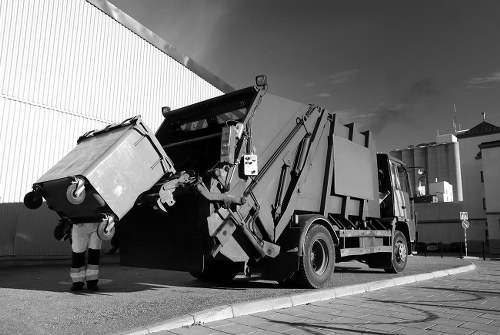
A large black waste collection truck with a hydraulic lifting arm is actively lifting a square-shaped, light-colored rubbish bin from a paved street surface. The bin appears to be made of plastic with a textured surface and is positioned on the curb edge, slightly tilted as the arm engages to clear it. The background features an industrial or commercial setting, with a white corrugated metal wall on the left side and a segment of the sky visible above, showing some clouds. The scene is captured during daylight, with natural light illuminating the truck and the surrounding area. The truck is part of a rubbish removal service, likely operating in the St Giles area, and the environment indicates routine waste collection in an urban or semi-industrial part of central London. Details such as the truck's large tires, the presence of a worker partially visible near the bin, and the clean, orderly pavement highlight the professional waste management activities carried out by Waste Recycling, supporting effective rubbish disposal services in the local area.

Recycling at home is a simple yet effective way to contribute to the community's sustainability efforts. Here are some best practices that residents of St Giles can adopt:

  1. Separate Your Waste: Use different bins for recyclables, non-recyclables, and compostable materials to make sorting easier.
  2. Clean and Dry: Ensure that recyclable containers are clean and dry before placing them in the recycling bin to prevent contamination.
  3. Know What to Recycle: Familiarize yourself with the local recycling guidelines to understand which materials are accepted.
  4. Reduce and Reuse: Minimize waste by reducing consumption and reusing items whenever possible.
  5. Proper Disposal of Hazardous Waste: Items like batteries, electronics, and chemicals require special handling. Use designated collection points for these materials.

By following these practices, residents can enhance the efficiency of recycling programs and ensure that more materials are successfully recycled.

Local Recycling Initiatives
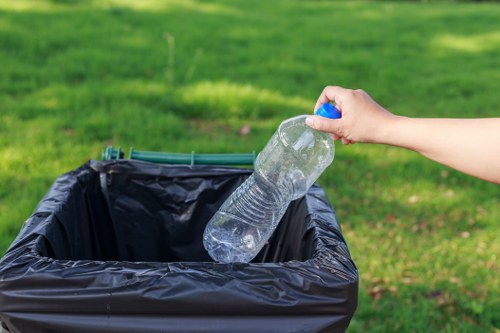
A close-up of a person's right hand holding a clear plastic water bottle by the neck, preparing to dispose of it into a black outdoor waste bin with a slightly open lid. The bin is made of sturdy plastic with a smooth, slightly glossy surface, positioned on a paved or grassy area with lush green grass in the background. The scene is brightly lit, suggesting daylight, and the environment appears to be a residential or park setting, typical of waste disposal points around St Giles. This image reflects the context of rubbish collection and recycling efforts managed by waste recycling services, emphasizing responsible waste segregation within the local community.

St Giles is home to several local recycling initiatives that encourage community participation and environmental stewardship. These initiatives include:

  • Community Clean-Up Drives: Regular events where residents come together to collect and sort recyclable materials from public spaces.
  • Recycling Education Programs: Workshops and seminars that educate residents about the benefits of recycling and how to implement effective practices at home.
  • Partnerships with Local Businesses: Collaborations with businesses to promote recycling through incentives and sustainable practices.
  • Recycling Competitions: Friendly competitions that motivate neighborhoods and schools to increase their recycling efforts.

These initiatives not only promote recycling but also foster a sense of community and shared responsibility for the environment.

Challenges and Solutions in Waste Recycling

A row of large, weathered steel skips and metal containers positioned along a paved area, likely on a driveway or service yard associated with waste management in St Giles. The skips are predominantly blue with some showing rust, peeling paint, and minor dents, indicating frequent use and exposure to the elements. They are arranged in a slight incline, with some stacked or overlapping, and are bordered by a concrete surface that bears tire marks and minor oil stains. To the right, a portion of a black vehicle with a flatbed or open rear is visible, partially obscured by the skips, suggesting an activity related to rubbish collection or transfer. The environment appears to be an industrial or commercial site dedicated to waste removal, with a background that lacks additional structures or greenery, emphasizing practicality and function. This scene exemplifies the typical equipment used by waste recycling services in the London area to handle bulky or heavy rubbish.

While recycling in St Giles has seen significant progress, several challenges remain. Understanding these obstacles is the first step toward overcoming them:

Lack of Awareness

Many residents may not be fully aware of the types of materials that can be recycled or the correct methods for recycling. To address this, continuous education and awareness campaigns are essential.

Contamination of Recyclables

Contaminated recyclables can cause entire batches to be sent to landfills. Implementing strict guidelines and providing clear instructions can help minimize contamination.

Limited Recycling Facilities

Expanding the number of recycling facilities and improving their accessibility ensures that more residents can participate effectively in recycling programs.

Economic Constraints

Funding recycling programs can be challenging. Exploring alternative funding sources, such as grants and partnerships, can help sustain and expand recycling initiatives.

Benefits of Recycling in St Giles

Two plastic recycling bins placed on a concrete floor in an indoor storage area with wooden paneling on the wall behind them. The left bin is yellow and contains a stack of newspapers and magazines, while the right bin is blue and filled with discarded plastic bottles, some with caps, and a plastic water container. The yellow bin appears slightly taller, and the blue bin is filled to the brim with clear and translucent plastic waste. To the right of the bins, part of a bicycle wheel is visible, indicating a nearby storage or utility space. The environment suggests a domestic or small commercial setting in St Giles, suitable for waste recycling and rubbish collection services from Waste Recycling.

Recycling offers numerous benefits to the St Giles community:

  • Environmental Protection: Reduces the strain on natural resources and minimizes pollution.
  • Economic Growth: Creates job opportunities in the recycling and manufacturing sectors.
  • Waste Reduction: Decreases the amount of waste that needs to be managed and disposed of.
  • Community Engagement: Encourages residents to take an active role in environmental stewardship.
  • Energy Conservation: Recycling often requires less energy compared to producing new materials from raw resources.

These benefits collectively contribute to a healthier, more sustainable, and economically vibrant St Giles.

Future of Waste Recycling in St Giles

A collection of various waste disposal bins and bags placed on a paved sidewalk area near a residential building. The scene includes two large blue plastic bin liners filled with mixed waste, some appearing to contain recyclable bottles and packaging, positioned on top of or leaning against two black wheelie bins, one of which has a partially open lid. Additionally, there are smaller clear and green plastic refuse bags filled with different types of rubbish, placed around the larger bins. The environment features a concrete driveway with a patterned brick edge alongside the sidewalk, and in the background, there is a grey wall, some garden foliage, and a set of concrete steps leading to a residential entrance. The lighting suggests daylight, highlighting the textures of the plastic bags, the smooth and ribbed surfaces of the bins, and the paved surroundings, representative of a typical urban waste collection scene in St Giles, managed by Waste Recycling for rubbish removal services.

The future of waste recycling in St Giles looks promising, with ongoing efforts to enhance recycling infrastructure and community engagement. Planned initiatives include:

Advanced Recycling Technologies

Investing in state-of-the-art recycling technologies will improve the efficiency and effectiveness of recycling processes, allowing for a greater variety of materials to be recycled.

Expanded Recycling Programs

Introducing new recycling programs, such as composting and organic waste recycling, will address a broader range of waste types and further reduce the community's environmental impact.

Enhanced Community Participation

Continuous education and incentive programs will encourage more residents to participate actively in recycling efforts, fostering a culture of sustainability.

Collaboration with Local Businesses

Strengthening partnerships with local businesses will promote sustainable practices within the commercial sector, amplifying the impact of recycling initiatives.

Tips for Effective Waste Recycling

A large black waste collection truck with a hydraulic lifting arm is actively lifting a square-shaped, light-colored rubbish bin from a paved street surface. The bin appears to be made of plastic with a textured surface and is positioned on the curb edge, slightly tilted as the arm engages to clear it. The background features an industrial or commercial setting, with a white corrugated metal wall on the left side and a segment of the sky visible above, showing some clouds. The scene is captured during daylight, with natural light illuminating the truck and the surrounding area. The truck is part of a rubbish removal service, likely operating in the St Giles area, and the environment indicates routine waste collection in an urban or semi-industrial part of central London. Details such as the truck's large tires, the presence of a worker partially visible near the bin, and the clean, orderly pavement highlight the professional waste management activities carried out by Waste Recycling, supporting effective rubbish disposal services in the local area.

To maximize the benefits of recycling programs in St Giles, consider the following tips:

  • Stay Informed: Keep up with the latest recycling guidelines and updates from local authorities.
  • Proper Sorting: Ensure that recyclables are sorted correctly to prevent contamination.
  • Reduce Single-Use Items: Opt for reusable products to minimize waste generation.
  • Compost Organic Waste: Composting food scraps and yard waste can reduce the amount of material sent to landfills.
  • Encourage Others: Motivate friends and neighbors to participate in recycling programs.

Implementing these practices can enhance the effectiveness of recycling efforts and contribute to a more sustainable community.

10-15 Closest Areas to St Giles for Waste Recycling

A close-up of a person's right hand holding a clear plastic water bottle by the neck, preparing to dispose of it into a black outdoor waste bin with a slightly open lid. The bin is made of sturdy plastic with a smooth, slightly glossy surface, positioned on a paved or grassy area with lush green grass in the background. The scene is brightly lit, suggesting daylight, and the environment appears to be a residential or park setting, typical of waste disposal points around St Giles. This image reflects the context of rubbish collection and recycling efforts managed by waste recycling services, emphasizing responsible waste segregation within the local community.

St Giles is surrounded by several areas that also emphasize waste recycling and sustainability. Here are the closest areas and their unique recycling features:

  • Bloomsbury: Known for its extensive recycling educational programs in schools and libraries.
  • Cheltenham Place: Hosts one of the largest community recycling centers with a variety of drop-off points.
  • Russell Square: Features a dedicated composting facility for organic waste.
  • Covent Garden: Offers specialized recycling services for electronics and hazardous materials.
  • Soho: Promotes recycling through vibrant street campaigns and local businesses.
  • Fitzrovia: Equipped with advanced recycling technology for efficient waste processing.
  • Covent Garden: Focuses on reducing single-use plastics through community initiatives.
  • Regent Street: Integrates recycling stations within commercial areas for convenient access.
  • Oxford Street: Encourages large-scale recycling through partnerships with major retailers.
  • Camden Town: Emphasizes recycling fashion and textiles through local workshops.
  • Marylebone: Supports recycling of construction materials through dedicated collection points.
  • Chalk Farm: Promotes recycling in nightlife venues and event spaces.
  • Holborn: Integrates recycling with public transportation facilities for ease of access.
  • King's Cross: Utilizes smart recycling bins with real-time monitoring for efficiency.
  • Euston: Enhances recycling efforts through university-led sustainability projects.

These nearby areas complement St Giles's recycling initiatives, creating a network of sustainable practices across the region.

Conclusion

A row of large, weathered steel skips and metal containers positioned along a paved area, likely on a driveway or service yard associated with waste management in St Giles. The skips are predominantly blue with some showing rust, peeling paint, and minor dents, indicating frequent use and exposure to the elements. They are arranged in a slight incline, with some stacked or overlapping, and are bordered by a concrete surface that bears tire marks and minor oil stains. To the right, a portion of a black vehicle with a flatbed or open rear is visible, partially obscured by the skips, suggesting an activity related to rubbish collection or transfer. The environment appears to be an industrial or commercial site dedicated to waste removal, with a background that lacks additional structures or greenery, emphasizing practicality and function. This scene exemplifies the typical equipment used by waste recycling services in the London area to handle bulky or heavy rubbish.

Waste recycling in St Giles is a community-driven effort that plays a pivotal role in fostering sustainability and environmental responsibility. By understanding the importance of recycling, utilizing available facilities, and adopting best practices at home, residents can significantly contribute to reducing waste and conserving resources.

Local initiatives and the support of nearby areas further enhance the effectiveness of recycling programs, creating a network of eco-conscious communities. As St Giles continues to invest in advanced recycling technologies and community education, the future holds promising prospects for a greener and more sustainable environment.

Everyone has a part to play in this collective effort. By taking small steps towards better recycling habits, we can ensure that St Giles remains a vibrant and sustainable community for generations to come.

Frequently Asked Questions

1. What materials can be recycled in St Giles?

In St Giles, common recyclable materials include paper, cardboard, glass bottles, aluminum cans, and certain plastics. Additionally, there are facilities for recycling electronics, textiles, and hazardous waste.

2. Where can I find recycling collection points in St Giles?

Recycling collection points are available throughout St Giles, including at community centers, parks, and designated street locations. The St Giles Recycling Hub is the central facility handling most recyclable materials.

3. How can I reduce contamination in my recycling?

To reduce contamination, ensure that all recyclable items are clean and dry before placing them in recycling bins. Avoid mixing non-recyclable materials with recyclables and follow local recycling guidelines closely.

4. Are there any incentives for recycling in St Giles?

Yes, St Giles offers various incentives for recycling, including participation rewards, discounts at local businesses, and recognition programs for communities that excel in recycling efforts.

5. How can businesses contribute to recycling in St Giles?

Businesses can contribute by implementing recycling programs within their operations, partnering with local recycling facilities, and encouraging employees and customers to participate in recycling initiatives.


Frequently Asked Questions

Our St Giles team utilizes state-of-the-art recycling equipment and industry-approved methods to ensure efficient and environmentally friendly waste processing. From advanced sorting machines to eco-friendly disposal techniques, we handle all types of recyclables with precision. Contact our St Giles experts for a quick quote and reliable service.

Yes, our waste recycling service in St Giles is accredited by leading industry bodies, ensuring we meet the highest standards of quality and sustainability. Our certifications reflect our commitment to responsible recycling practices. Reach out to our trusted St Giles team to learn more.

Absolutely. We hold all necessary certifications and insurance to guarantee our waste recycling services in St Giles comply with local and national regulations. Our licensed and insured operations provide peace of mind to our customers. Contact our St Giles team for more information.

We proudly recycle over 98% of all materials collected in St Giles, demonstrating our strong commitment to environmental responsibility. Our efficient processes ensure minimal waste ends up in landfills. For eco-friendly recycling solutions, get in touch with our St Giles professionals today.

Our waste recycling services near St Giles are competitively priced to offer the best value without compromising on quality. We provide transparent pricing tailored to your specific needs, ensuring affordable solutions for both residential and commercial clients. Contact our team for a customized quote.

We specialize in waste recycling within St Giles and its surrounding areas, providing comprehensive services to both homes and businesses. Our local expertise ensures prompt and reliable waste collection and recycling. Reach out to our St Giles team to schedule your service today.

Yes, we offer same-day waste recycling services in St Giles to accommodate urgent needs. Our efficient scheduling and dedicated team ensure your waste is collected and recycled promptly. For immediate assistance, contact our St Giles experts now.

In St Giles, we recycle a wide range of materials including paper, plastics, metals, glass, and electronics. Additionally, we handle special items like furniture and appliances through our property clearance services. For comprehensive recycling solutions, get in touch with our local experts.

Safety is our top priority in St Giles. We adhere to strict safety protocols and use specialized equipment to handle all types of waste securely. Our trained professionals are committed to maintaining a safe environment for both our team and customers. Contact us to learn more about our safety measures.

Yes, our waste recycling practices in St Giles are designed to minimize environmental impact. We prioritize sustainable methods and work towards reducing landfill waste by maximizing material recovery. For eco-conscious recycling services, reach out to our St Giles team today.

Scheduling a waste recycling pickup in St Giles is easy. Simply contact our friendly team via phone or email, and we’ll arrange a convenient time for collection. Our efficient service ensures your waste is handled promptly and responsibly. Get in touch with our St Giles experts to book your pickup.

Our waste recycling service in St Giles is trusted by locals thanks to our years of experience, accredited practices, and commitment to customer satisfaction. We provide reliable, transparent, and ethical recycling solutions tailored to the community’s needs. Contact our St Giles team to experience our trusted services.
Waste Recycling

A comprehensive guide on waste recycling in St Giles, covering recycling practices, facilities, local initiatives, nearby areas, and tips for effective waste management.

Call Now!
Get a Quote

Get In Touch With Us.

Please fill out the form below to send us an email and we will get back to you as soon as possible.