Waste Recycling in Kentish Town: A Comprehensive Guide

A person's hand is holding a clear plastic bottle with a yellow cap, about to dispose of it into a designated opening on a yellow waste collection vehicle, likely used for rubbish or recycling collection. The vehicle's surface is smooth with a shiny, reflective finish, and the opening is surrounded by black trim. In the background, there are blurred structures that suggest an outdoor environment in Kentish Town, with natural daylight illuminating the scene. The image captures an act of rubbish disposal, emphasizing waste management practices carried out by Waste Recycling, a company providing professional rubbish collection services within the local area. The focus is on the hand, bottle, and the vehicle's entry point, highlighting the importance of proper waste segregation and disposal in urban settings. The setting appears to be on a driveway or street, with the waste collection vehicle positioned ready for collection, reflecting typical rubbish removal activity in the region.

Waste recycling in Kentish Town is an essential service that helps maintain a clean and sustainable environment. By properly recycling waste, residents contribute to reducing landfill, conserving natural resources, and minimizing pollution.

Kentish Town, located in the heart of London, has implemented various recycling programs to encourage its community to participate actively. These initiatives not only benefit the environment but also promote a sense of responsibility among the residents.

This article explores the waste recycling options available in Kentish Town, the benefits of recycling, and how you can get involved.

The Importance of Waste Recycling
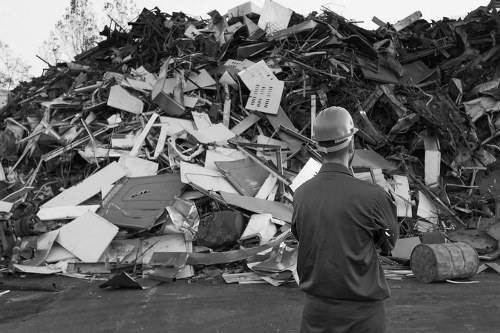
A man wearing a safety helmet and dark work clothing stands with his back to the camera, observing a large pile of mixed construction and household waste. The waste material includes various discarded items such as broken plastic crates, corrugated cardboard sheets, and broken white and black plastic panels, all piled high in an outdoor area. The debris has a chaotic arrangement, with some materials leaning against each other and others scattered across the ground. The surface beneath the waste appears to be asphalt or concrete, suggesting a disposal or recycling yard adjoining an industrial or commercial site. The lighting indicates an overcast day, casting diffuse light over the scene. The environment is typical of a waste collection or rubbish removal operation, possibly for a company such as Waste Recycling, operating within the Kentish Town area, with the scene conveying the scale of waste handled during rubbish removal services in London.

Recycling plays a crucial role in reducing the impact of waste on our planet. By recycling materials such as paper, glass, plastic, and metals, we can significantly decrease the amount of waste that ends up in landfills.

Moreover, recycling helps conserve natural resources. For example, recycling paper reduces the need for cutting down trees, thereby preserving forests and wildlife habitats.

Additionally, recycling consumes less energy compared to producing new products from raw materials. This reduction in energy use leads to lower greenhouse gas emissions, which are a major contributor to climate change.

Economic Benefits of Recycling
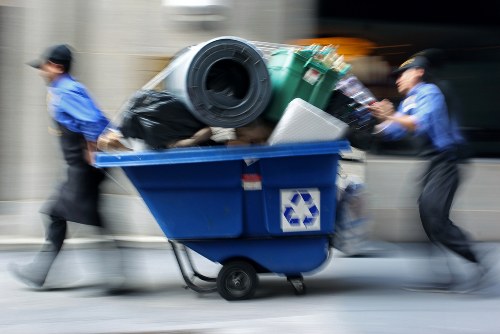
A large blue waste bin on wheels, situated outdoors on a paved surface, overflowing with various types of rubbish, including black garbage bags, green plastic containers, and a white rectangular object. The bin is positioned in the foreground, with two individuals dressed in blue uniforms and caps actively pushing and maneuvering it on either side. The background appears blurred, suggesting movement, and possibly an urban street or alleyway in Kentish Town, with additional indistinct objects or vehicles. The scene visually relates to rubbish removal services provided by Waste Recycling, highlighting the collection and transportation of waste materials within London’s borough. The overall lighting indicates daytime, with natural light illuminating the scene and emphasizing the textures of the waste items and the uniformed workers. This image reflects the active process of rubbish collection, integral to waste management and recycling efforts in the local community.

Beyond environmental advantages, recycling also offers economic benefits. It creates jobs in the recycling and manufacturing industries, contributing to the local economy.

Recycling can also reduce the costs associated with waste management. By minimizing the volume of waste that needs to be processed and transported, recycling helps municipalities save money.

Furthermore, recycled materials can be used to produce new products, fostering innovation and sustainability in various industries.

Recycling Facilities in Kentish Town

Three children outdoors near a wooden shed, with a clear blue sky overhead and trees with autumn foliage in the background. One child, wearing a green T-shirt and dark jeans, is standing behind a green wheeled bin filled with plastic bottles, cardboard, and paper waste, which are visible on top and inside the bin. The other two children, one in a striped shirt and another in a purple T-shirt, are standing nearby, holding a blue recycling bag and observing the scene. The area appears to be a driveway or garden space in Kentish Town, with natural sunlight illuminating the scene. The image illustrates responsible disposal and waste management practices, supported by Waste Recycling, a rubbish removal service specializing in local recycling solutions.

Kentish Town is equipped with several recycling facilities that make it convenient for residents to dispose of their waste responsibly. These facilities accept a wide range of recyclable materials, ensuring that most household items can be recycled effectively.

The local council provides clear guidelines on what can and cannot be recycled, helping residents sort their waste correctly. Proper sorting is essential to ensure that recyclable materials are processed efficiently and do not contaminate the recycling stream.

In addition to traditional recycling centers, Kentish Town also offers collection services for larger items and bulky waste, making it easier for residents to manage their recycling needs.

Household Recycling Tips
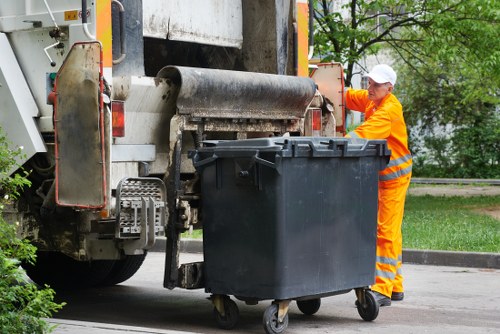
A worker dressed in high-visibility orange overalls and a white safety helmet operates a large waste collection vehicle on a street in Kentish Town. The worker is positioned on the right side of the image, standing next to a black wheeled rubbish bin with a textured surface, which is being lifted or positioned near the vehicle’s loading mechanism. In the foreground, the surface appears to be a paved road or driveway, with some greenery seen on the left side of the frame, including bushes and small plants. The background features a row of trees with green foliage, suggesting a suburban or park-adjacent environment. The waste collection vehicle is partially visible on the left, showing the rear section equipped with mechanical parts and a large roller or conveyor system for lifting and emptying bins. The overall scene conveys a routine rubbish collection operation, highlighting professional waste management activities in an urban residential area, with the presence of Waste Recycling’s service being implied through the context.

To maximize the effectiveness of recycling in Kentish Town, residents can adopt simple practices at home. Here are some tips:

  • Separate your waste: Keep different types of recyclables in separate containers to avoid contamination.
  • Clean your recyclables: Rinse containers to remove food residue, which can spoil the recycling process.
  • Reduce waste: Opt for reusable products and minimize the use of single-use items.
  • Stay informed: Keep up-to-date with the latest recycling guidelines provided by the local council.

Recycling Programs and Initiatives

A person's hand is holding a clear plastic bottle with a yellow cap, about to dispose of it into a designated opening on a yellow waste collection vehicle, likely used for rubbish or recycling collection. The vehicle's surface is smooth with a shiny, reflective finish, and the opening is surrounded by black trim. In the background, there are blurred structures that suggest an outdoor environment in Kentish Town, with natural daylight illuminating the scene. The image captures an act of rubbish disposal, emphasizing waste management practices carried out by Waste Recycling, a company providing professional rubbish collection services within the local area. The focus is on the hand, bottle, and the vehicle's entry point, highlighting the importance of proper waste segregation and disposal in urban settings. The setting appears to be on a driveway or street, with the waste collection vehicle positioned ready for collection, reflecting typical rubbish removal activity in the region.

Kentish Town offers various recycling programs aimed at increasing participation and effectiveness. These programs often include education campaigns, recycling drives, and incentives for residents who actively engage in recycling.

One notable initiative is the Recycle Kentish program, which provides information and resources to help residents recycle more efficiently. This program also collaborates with local businesses to promote sustainable practices.

Additionally, the council organizes regular recycling events where community members can bring items that are not typically collected through regular services, such as electronics and textiles.

Community Engagement

A man wearing a safety helmet and dark work clothing stands with his back to the camera, observing a large pile of mixed construction and household waste. The waste material includes various discarded items such as broken plastic crates, corrugated cardboard sheets, and broken white and black plastic panels, all piled high in an outdoor area. The debris has a chaotic arrangement, with some materials leaning against each other and others scattered across the ground. The surface beneath the waste appears to be asphalt or concrete, suggesting a disposal or recycling yard adjoining an industrial or commercial site. The lighting indicates an overcast day, casting diffuse light over the scene. The environment is typical of a waste collection or rubbish removal operation, possibly for a company such as Waste Recycling, operating within the Kentish Town area, with the scene conveying the scale of waste handled during rubbish removal services in London.

Engaging the community is key to successful recycling efforts. Kentish Town encourages residents to participate through workshops, seminars, and hands-on activities that educate and motivate individuals to recycle effectively.

Schools and local organizations also play a significant role in promoting recycling by integrating environmental education into their programs. This fosters a culture of sustainability among the younger generation.

Volunteer groups and local champions advocate for recycling, providing support and guidance to those who may need assistance in managing their waste.

Recycling Guidelines in Kentish Town

A large blue waste bin on wheels, situated outdoors on a paved surface, overflowing with various types of rubbish, including black garbage bags, green plastic containers, and a white rectangular object. The bin is positioned in the foreground, with two individuals dressed in blue uniforms and caps actively pushing and maneuvering it on either side. The background appears blurred, suggesting movement, and possibly an urban street or alleyway in Kentish Town, with additional indistinct objects or vehicles. The scene visually relates to rubbish removal services provided by Waste Recycling, highlighting the collection and transportation of waste materials within London’s borough. The overall lighting indicates daytime, with natural light illuminating the scene and emphasizing the textures of the waste items and the uniformed workers. This image reflects the active process of rubbish collection, integral to waste management and recycling efforts in the local community.

Understanding the recycling guidelines is essential for properly disposing of waste in Kentish Town. The local council provides detailed information on what can be recycled and how to prepare materials for collection.

Here are some general guidelines:

  • Paper and Cardboard: Newspapers, magazines, cardboard boxes, and office paper are accepted. Ensure they are dry and free from contaminants.
  • Glass: Bottles and jars can be recycled, provided they are clean and free from food residues.
  • Plastics: Most plastic containers marked with recycling symbols are accepted. Remove caps and rinse containers before recycling.
  • Metals: Aluminum cans, tin cans, and other metal items should be cleaned and sorted appropriately.

Non-Recyclable Items

Three children outdoors near a wooden shed, with a clear blue sky overhead and trees with autumn foliage in the background. One child, wearing a green T-shirt and dark jeans, is standing behind a green wheeled bin filled with plastic bottles, cardboard, and paper waste, which are visible on top and inside the bin. The other two children, one in a striped shirt and another in a purple T-shirt, are standing nearby, holding a blue recycling bag and observing the scene. The area appears to be a driveway or garden space in Kentish Town, with natural sunlight illuminating the scene. The image illustrates responsible disposal and waste management practices, supported by Waste Recycling, a rubbish removal service specializing in local recycling solutions.

Some items cannot be recycled through regular services and require special handling. Non-recyclable items include:

  • Food waste: Should be composted or disposed of through organic waste services.
  • Hazardous materials: Items like batteries, paint, and chemicals need to be taken to designated hazardous waste facilities.
  • Broken ceramics and glass: These cannot be recycled with regular glass bottles and should be disposed of properly.

Proper disposal of these items ensures they do not contaminate recyclable materials and harm the environment.

Benefits of Recycling for Kentish Town

A worker dressed in high-visibility orange overalls and a white safety helmet operates a large waste collection vehicle on a street in Kentish Town. The worker is positioned on the right side of the image, standing next to a black wheeled rubbish bin with a textured surface, which is being lifted or positioned near the vehicle’s loading mechanism. In the foreground, the surface appears to be a paved road or driveway, with some greenery seen on the left side of the frame, including bushes and small plants. The background features a row of trees with green foliage, suggesting a suburban or park-adjacent environment. The waste collection vehicle is partially visible on the left, showing the rear section equipped with mechanical parts and a large roller or conveyor system for lifting and emptying bins. The overall scene conveys a routine rubbish collection operation, highlighting professional waste management activities in an urban residential area, with the presence of Waste Recycling’s service being implied through the context.

Recycling offers numerous benefits to Kentish Town and its residents. These benefits extend beyond environmental conservation and encompass economic and social advantages.

By recycling, Kentish Town reduces its carbon footprint, contributing to global efforts against climate change. This action helps preserve the environment for future generations.

Economically, recycling supports local businesses and creates jobs in the recycling and manufacturing sectors. It also reduces the costs associated with waste management for the council.

Health and Well-being

A person's hand is holding a clear plastic bottle with a yellow cap, about to dispose of it into a designated opening on a yellow waste collection vehicle, likely used for rubbish or recycling collection. The vehicle's surface is smooth with a shiny, reflective finish, and the opening is surrounded by black trim. In the background, there are blurred structures that suggest an outdoor environment in Kentish Town, with natural daylight illuminating the scene. The image captures an act of rubbish disposal, emphasizing waste management practices carried out by Waste Recycling, a company providing professional rubbish collection services within the local area. The focus is on the hand, bottle, and the vehicle's entry point, highlighting the importance of proper waste segregation and disposal in urban settings. The setting appears to be on a driveway or street, with the waste collection vehicle positioned ready for collection, reflecting typical rubbish removal activity in the region.

A cleaner environment leads to better health outcomes for the community. Proper waste management reduces pollution, which can decrease the incidence of respiratory and other health issues.

Moreover, recycling fosters a sense of community and shared responsibility, enhancing social well-being and cooperation among residents.

Educational programs on recycling also raise awareness about environmental issues, empowering individuals to make informed decisions that benefit both themselves and the planet.

How to Get Involved

A man wearing a safety helmet and dark work clothing stands with his back to the camera, observing a large pile of mixed construction and household waste. The waste material includes various discarded items such as broken plastic crates, corrugated cardboard sheets, and broken white and black plastic panels, all piled high in an outdoor area. The debris has a chaotic arrangement, with some materials leaning against each other and others scattered across the ground. The surface beneath the waste appears to be asphalt or concrete, suggesting a disposal or recycling yard adjoining an industrial or commercial site. The lighting indicates an overcast day, casting diffuse light over the scene. The environment is typical of a waste collection or rubbish removal operation, possibly for a company such as Waste Recycling, operating within the Kentish Town area, with the scene conveying the scale of waste handled during rubbish removal services in London.

Everyone can play a part in improving waste recycling in Kentish Town. Here are some ways to get involved:

  1. Educate Yourself: Learn about the recycling guidelines and what materials can be recycled.
  2. Proper Sorting: Ensure you sort your waste correctly to prevent contamination.
  3. Participate in Programs: Join local recycling programs and initiatives to support the community effort.
  4. Reduce and Reuse: Minimize waste by choosing reusable products and reducing single-use items.
  5. Volunteer: Get involved with local organizations that promote recycling and environmental sustainability.

Recycling at Home

A large blue waste bin on wheels, situated outdoors on a paved surface, overflowing with various types of rubbish, including black garbage bags, green plastic containers, and a white rectangular object. The bin is positioned in the foreground, with two individuals dressed in blue uniforms and caps actively pushing and maneuvering it on either side. The background appears blurred, suggesting movement, and possibly an urban street or alleyway in Kentish Town, with additional indistinct objects or vehicles. The scene visually relates to rubbish removal services provided by Waste Recycling, highlighting the collection and transportation of waste materials within London’s borough. The overall lighting indicates daytime, with natural light illuminating the scene and emphasizing the textures of the waste items and the uniformed workers. This image reflects the active process of rubbish collection, integral to waste management and recycling efforts in the local community.

Implementing recycling practices at home is a great way to contribute. Set up designated bins for different types of recyclables and make it a habit to separate your waste.

Encourage family members to participate by educating them on the importance of recycling and how they can help.

Additionally, consider composting organic waste to further reduce the amount of waste sent to landfills.

Challenges and Solutions

Three children outdoors near a wooden shed, with a clear blue sky overhead and trees with autumn foliage in the background. One child, wearing a green T-shirt and dark jeans, is standing behind a green wheeled bin filled with plastic bottles, cardboard, and paper waste, which are visible on top and inside the bin. The other two children, one in a striped shirt and another in a purple T-shirt, are standing nearby, holding a blue recycling bag and observing the scene. The area appears to be a driveway or garden space in Kentish Town, with natural sunlight illuminating the scene. The image illustrates responsible disposal and waste management practices, supported by Waste Recycling, a rubbish removal service specializing in local recycling solutions.

Despite the benefits, waste recycling in Kentish Town faces several challenges. Common issues include contamination of recyclables, lack of awareness, and inadequate infrastructure.

Contamination occurs when non-recyclable materials are mixed with recyclables, making the entire batch unsuitable for processing. To tackle this, educating residents on proper sorting is crucial.

Lack of awareness about recycling guidelines can lead to improper disposal. Ongoing education campaigns and clear communication from the council can address this issue.

Improving Recycling Infrastructure

A worker dressed in high-visibility orange overalls and a white safety helmet operates a large waste collection vehicle on a street in Kentish Town. The worker is positioned on the right side of the image, standing next to a black wheeled rubbish bin with a textured surface, which is being lifted or positioned near the vehicle’s loading mechanism. In the foreground, the surface appears to be a paved road or driveway, with some greenery seen on the left side of the frame, including bushes and small plants. The background features a row of trees with green foliage, suggesting a suburban or park-adjacent environment. The waste collection vehicle is partially visible on the left, showing the rear section equipped with mechanical parts and a large roller or conveyor system for lifting and emptying bins. The overall scene conveys a routine rubbish collection operation, highlighting professional waste management activities in an urban residential area, with the presence of Waste Recycling’s service being implied through the context.

Enhancing the recycling infrastructure in Kentish Town is essential for improving recycling rates. This includes increasing the number of recycling facilities, providing better collection services, and investing in advanced recycling technologies.

By improving infrastructure, the council can make recycling more convenient for residents, encouraging higher participation rates.

Investing in technology also allows for more efficient processing of recyclables, reducing costs and increasing the quality of recycled materials.

Future of Waste Recycling in Kentish Town

A person's hand is holding a clear plastic bottle with a yellow cap, about to dispose of it into a designated opening on a yellow waste collection vehicle, likely used for rubbish or recycling collection. The vehicle's surface is smooth with a shiny, reflective finish, and the opening is surrounded by black trim. In the background, there are blurred structures that suggest an outdoor environment in Kentish Town, with natural daylight illuminating the scene. The image captures an act of rubbish disposal, emphasizing waste management practices carried out by Waste Recycling, a company providing professional rubbish collection services within the local area. The focus is on the hand, bottle, and the vehicle's entry point, highlighting the importance of proper waste segregation and disposal in urban settings. The setting appears to be on a driveway or street, with the waste collection vehicle positioned ready for collection, reflecting typical rubbish removal activity in the region.

The future of waste recycling in Kentish Town looks promising, with ongoing efforts to enhance and expand recycling programs. The council plans to introduce new initiatives that focus on sustainability and innovation.

One such initiative is the integration of smart waste management systems that use technology to optimize collection routes and monitor recycling patterns.

Additionally, partnerships with local businesses and organizations will continue to promote recycling and support the community's environmental goals.

Community-Driven Projects

A man wearing a safety helmet and dark work clothing stands with his back to the camera, observing a large pile of mixed construction and household waste. The waste material includes various discarded items such as broken plastic crates, corrugated cardboard sheets, and broken white and black plastic panels, all piled high in an outdoor area. The debris has a chaotic arrangement, with some materials leaning against each other and others scattered across the ground. The surface beneath the waste appears to be asphalt or concrete, suggesting a disposal or recycling yard adjoining an industrial or commercial site. The lighting indicates an overcast day, casting diffuse light over the scene. The environment is typical of a waste collection or rubbish removal operation, possibly for a company such as Waste Recycling, operating within the Kentish Town area, with the scene conveying the scale of waste handled during rubbish removal services in London.

Community-driven projects play a vital role in advancing recycling efforts. These projects empower residents to take charge of their waste management practices and collaborate on solutions.

Examples include community clean-up events, recycling workshops, and local art projects that use recycled materials.

Such initiatives not only improve recycling rates but also strengthen community bonds and foster a collective sense of environmental stewardship.

Conclusion

A large blue waste bin on wheels, situated outdoors on a paved surface, overflowing with various types of rubbish, including black garbage bags, green plastic containers, and a white rectangular object. The bin is positioned in the foreground, with two individuals dressed in blue uniforms and caps actively pushing and maneuvering it on either side. The background appears blurred, suggesting movement, and possibly an urban street or alleyway in Kentish Town, with additional indistinct objects or vehicles. The scene visually relates to rubbish removal services provided by Waste Recycling, highlighting the collection and transportation of waste materials within London’s borough. The overall lighting indicates daytime, with natural light illuminating the scene and emphasizing the textures of the waste items and the uniformed workers. This image reflects the active process of rubbish collection, integral to waste management and recycling efforts in the local community.

Waste recycling in Kentish Town is a vital component of maintaining a clean, sustainable, and economically vibrant community. By understanding the importance of recycling, utilizing available facilities, and actively participating in recycling programs, residents can make a significant positive impact.

The collective effort of individuals, the council, and local organizations ensures that Kentish Town continues to lead by example in environmental sustainability.

Embracing recycling not only benefits the environment but also enhances the quality of life for all who live in Kentish Town.

Frequently Asked Questions

Three children outdoors near a wooden shed, with a clear blue sky overhead and trees with autumn foliage in the background. One child, wearing a green T-shirt and dark jeans, is standing behind a green wheeled bin filled with plastic bottles, cardboard, and paper waste, which are visible on top and inside the bin. The other two children, one in a striped shirt and another in a purple T-shirt, are standing nearby, holding a blue recycling bag and observing the scene. The area appears to be a driveway or garden space in Kentish Town, with natural sunlight illuminating the scene. The image illustrates responsible disposal and waste management practices, supported by Waste Recycling, a rubbish removal service specializing in local recycling solutions.

1. What materials can I recycle in Kentish Town?

In Kentish Town, you can recycle materials such as paper, cardboard, glass bottles and jars, plastic containers marked with recycling symbols, and metal cans. Make sure to clean and sort them according to the council's guidelines.

2. Where can I find recycling facilities in Kentish Town?

Recycling facilities are conveniently located throughout Kentish Town, including designated recycling centers and collection points. You can visit the local council's website or contact them for specific locations and services.

3. How can I reduce waste in my household?

You can reduce waste by minimizing the use of single-use items, opting for reusable products, composting organic waste, and properly sorting your recyclables. Additionally, repairing and repurposing items can help decrease the amount of waste generated.

4. What should I do with hazardous waste?

Hazardous waste such as batteries, paint, and chemicals should be taken to designated hazardous waste facilities. The local council provides information on safe disposal methods and locations for hazardous materials.

5. How can I get involved in recycling initiatives in Kentish Town?

You can get involved by participating in local recycling programs, attending workshops and events, volunteering with environmental organizations, and advocating for sustainable practices within your community.


Frequently Asked Questions

Our Kentish town team utilizes state-of-the-art recycling machinery and eco-friendly practices to ensure efficient waste processing. We handle everything from household items to commercial waste with precision. Contact our Kentish town experts for a quick quote and experience top-notch recycling services.

Yes, we are proudly accredited by leading industry organizations, ensuring our recycling practices meet the highest standards. Our certifications reflect our commitment to quality and environmental responsibility. Reach out to our Kentish town team to learn more about our accredited services.

Absolutely. We hold all required certifications and comprehensive insurance to guarantee legal compliance and protect our clients. Our certified and insured services in Kentish town provide peace of mind and reliable waste management. Contact us today to discuss your recycling needs.

We proudly recycle over 98% of collected materials, demonstrating our strong commitment to environmental sustainability. Our eco-conscious methods in Kentish town ensure minimal waste and maximum recycling efficiency. Get in touch with our team to support responsible recycling practices.

With over a decade of experience, we have been a trusted provider of waste recycling services in Kentish town. Our extensive local knowledge ensures reliable and efficient recycling solutions tailored to the community’s needs. Contact our seasoned Kentish town team for dependable recycling services.

Yes, we offer safe and cost-effective recycling solutions in Kentish town. Our services are designed to be budget-friendly without compromising on quality or safety. Trust our affordable recycling options and get a free quote from our Kentish town experts today.

Our Kentish town recycling service can manage a wide range of items, including electronics, furniture, appliances, and more. We ensure proper disposal and recycling of all materials to support a cleaner environment. Contact us to find out how we can assist with your specific recycling needs.

Yes, we provide same-day recycling services in Kentish town for urgent waste removal needs. Our prompt and reliable team ensures your items are collected and processed efficiently. Schedule a same-day pickup by reaching out to our Kentish town recycling specialists.

We maintain full transparency in our recycling processes, providing clear information on how your waste is handled and recycled in Kentish town. Our open communication ensures you are informed every step of the way. Learn more by contacting our transparent and trusted Kentish town team.

Our Kentish town recycling service prioritizes eco-friendly practices, including energy-efficient processing and minimal waste techniques. We focus on reducing the environmental impact and promoting sustainability in all our operations. Partner with us for green and responsible recycling solutions.

Absolutely! Getting a quick and affordable quote for recycling services near Kentish town is easy. Simply reach out to our friendly team, and we’ll provide a customized estimate tailored to your needs. Contact our Kentish town experts today for prompt and competitive quotes.

We offer specialized handling for various materials, including hazardous waste, electronics, and bulk items in Kentish town. Our knowledgeable team ensures each item is processed safely and efficiently. For specialized recycling services, contact our Kentish town professionals today.
Waste Recycling

Discover comprehensive waste recycling solutions in Kentish Town, including facilities, guidelines, benefits, and how to get involved to create a sustainable community.

Call Now!
Get a Quote

Get In Touch With Us.

Please fill out the form below to send us an email and we will get back to you as soon as possible.